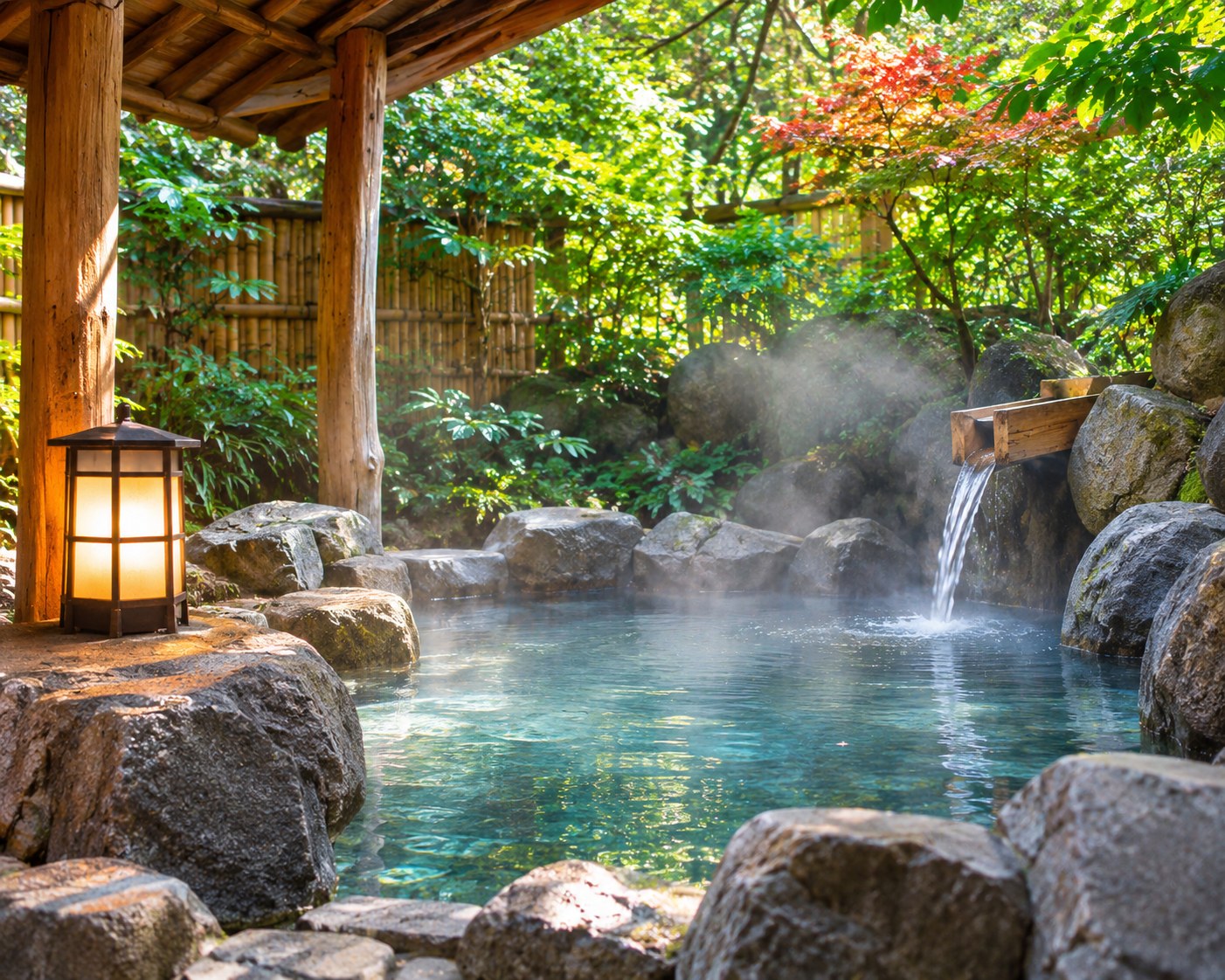
Planning an onsen visit in Japan but worried about your tattoos? Here is what Risa recommends, plus useful Japanese questions to ask before you go.
You have planned the Japan trip, picked out a relaxing hot spring, and imagined soaking in warm water after a long day of sightseeing. Then a question comes up: what if you have tattoos?
Onsen (温泉) are a memorable part of Japanese travel, but tattoo policies vary by facility. Some baths accept tattoos; others may ask guests to cover small tattoos or may not admit tattooed visitors. The best approach is to check before you arrive.
Table of Contents
- Ask Risa: “Can my fiancée and I visit an onsen if we have tattoos?”
- Are tattoos allowed in Japanese onsens?
- Risa’s first option: Find a tattoo-friendly onsen
- Risa’s second option: Ask about tattoo-covering stickers
- Useful Japanese phrases for asking about tattoos
- What about private baths?
- Quick checklist before you visit
- Test yourself: What would you do?
- The takeaway: Plan ahead, then enjoy the experience
Ask Risa: “Can my fiancée and I visit an onsen if we have tattoos?”

In JapanesePod101’s Ask Risa video, a learner named Nick explains that he and his fiancée are planning to visit Japan. Both have tattoos, and he wants advice on how they can enjoy an onsen.
Risa gives two practical suggestions: look for an onsen that accepts tattoos, or consider tattoo-covering stickers. Her answer is a helpful starting point, but the rules at any specific venue still need to be checked.
Watch Risa answer the original question in JapanesePod101’s Ask Risa lesson: How Do You Deal with Tattoos in Japan?
1. Are tattoos allowed in Japanese onsens?
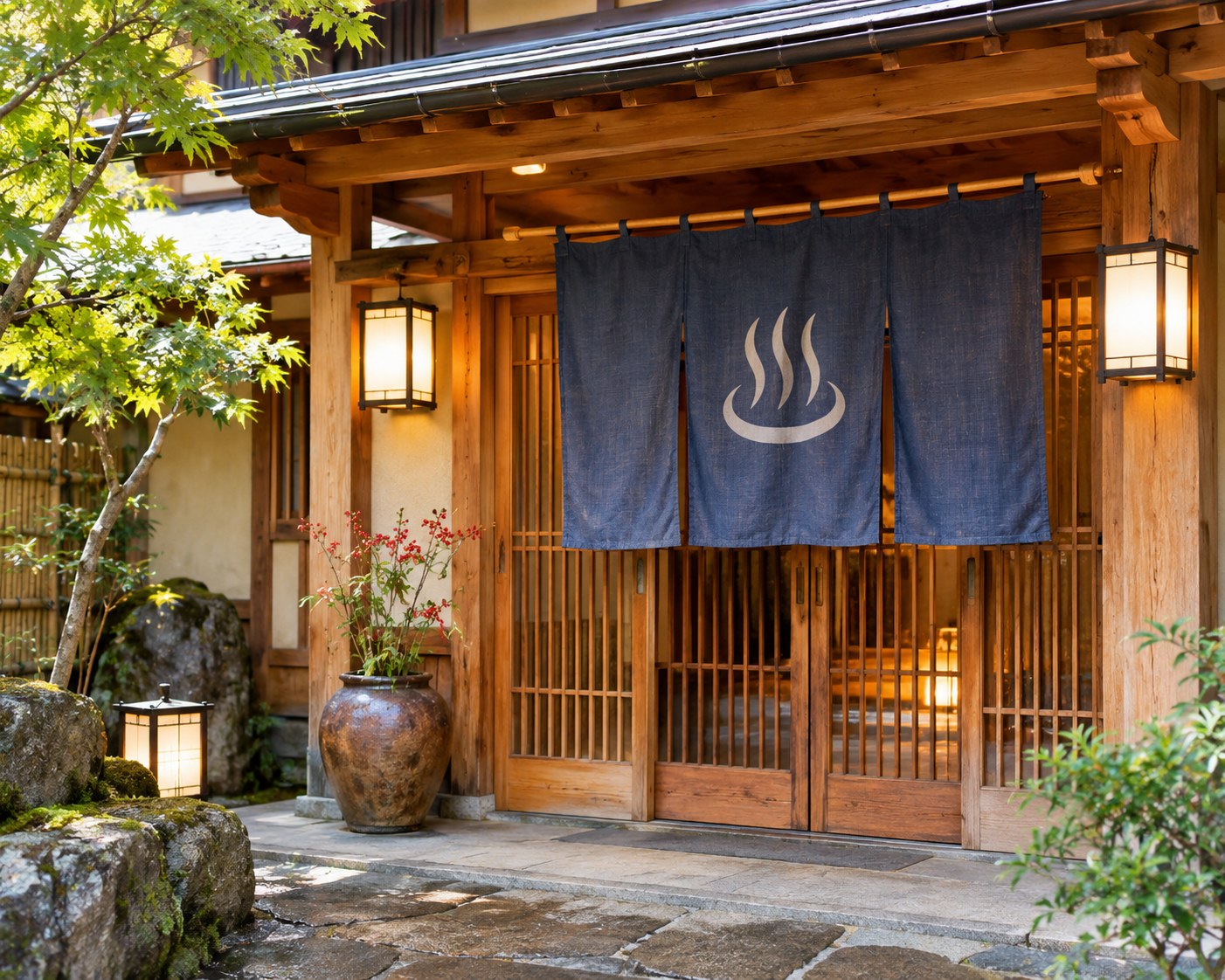
There is no single admission policy that applies to every onsen in Japan. Individual facilities set their own rules, so a tattoo-friendly bath and a bath that does not allow tattoos may be found in the same region.
Tattoo restrictions have historical and cultural associations in Japan, but it is more useful for a traveler to focus on the current policy of the specific bath than to assume what every venue will do.
Before booking, check the official website or contact the property. Look for information about tattoos, the size of any permitted covering, and whether the rules apply to shared baths or private bathing areas.
2. Risa’s first option: Find a tattoo-friendly onsen
Risa suggests researching onsens that welcome visitors with tattoos. This is the simplest option if you do not want to cover your tattoos or if they are too large for a small patch.
When comparing venues, confirm the latest admission rules directly with the operator. Do not assume that a listing or review is current. If you are traveling as a couple, also check whether the bathing arrangements meet your needs; many shared baths are separated by gender.
3. Risa’s second option: Ask about tattoo-covering stickers
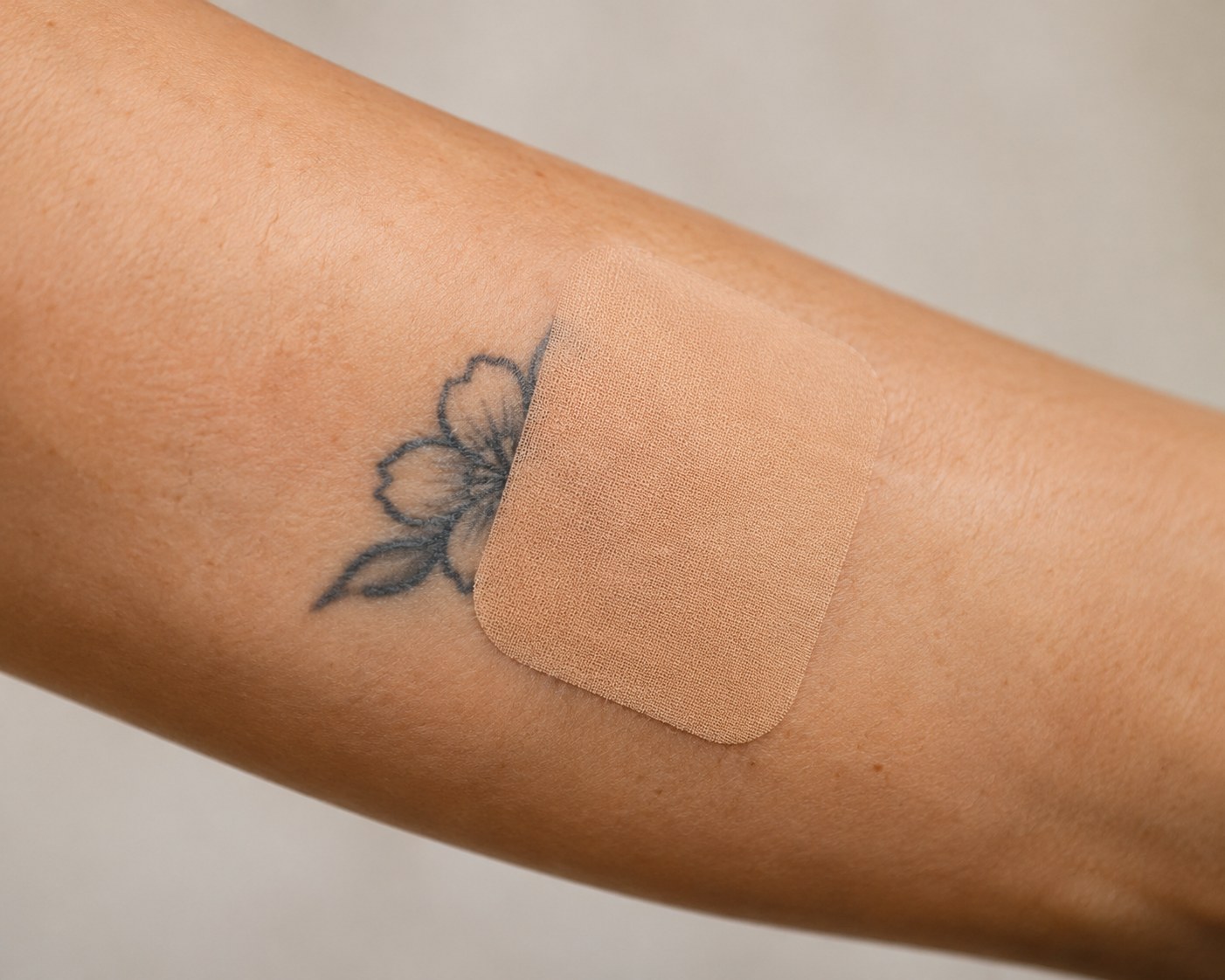
Risa also mentions stickers designed to conceal tattoos. These may be useful for smaller tattoos, but a sticker does not automatically make entry acceptable. Some venues permit them under specific conditions, while others do not.
Ask the onsen whether covering is allowed, what size or type of covering is acceptable, and whether all tattoos must be fully covered. Follow the venue’s instructions rather than trying to hide a tattoo against its rules.
4. Useful Japanese phrases for asking about tattoos
Even if a venue has an English-language website, a few simple Japanese questions can help you confirm the rules politely.
| Japanese | Romaji | English |
|---|---|---|
| タトゥーがあっても入れますか? | Tatū ga atte mo hairemasu ka? | “Can I enter even if I have a tattoo?” |
| タトゥーを隠せば入れますか? | Tatū o kakuseba hairemasu ka? | “Can I enter if I cover my tattoo?” |
| 貸切風呂はありますか? | Kashikiri buro wa arimasu ka? | “Do you have a private bath?” |
| ありがとうございます。 | Arigatō gozaimasu. | “Thank you very much.” |
For example, when contacting a hotel or bathhouse, you could begin with “タトゥーがあっても入れますか?” and wait for the facility to explain its policy. If the answer is unclear, ask for clarification before making a reservation.
Want to build your confidence with polite Japanese? Explore JapanesePod101’s lesson on extra-formal Japanese requests (Lower Intermediate): Making Extra Formal Japanese Requests.
5. What about private baths?
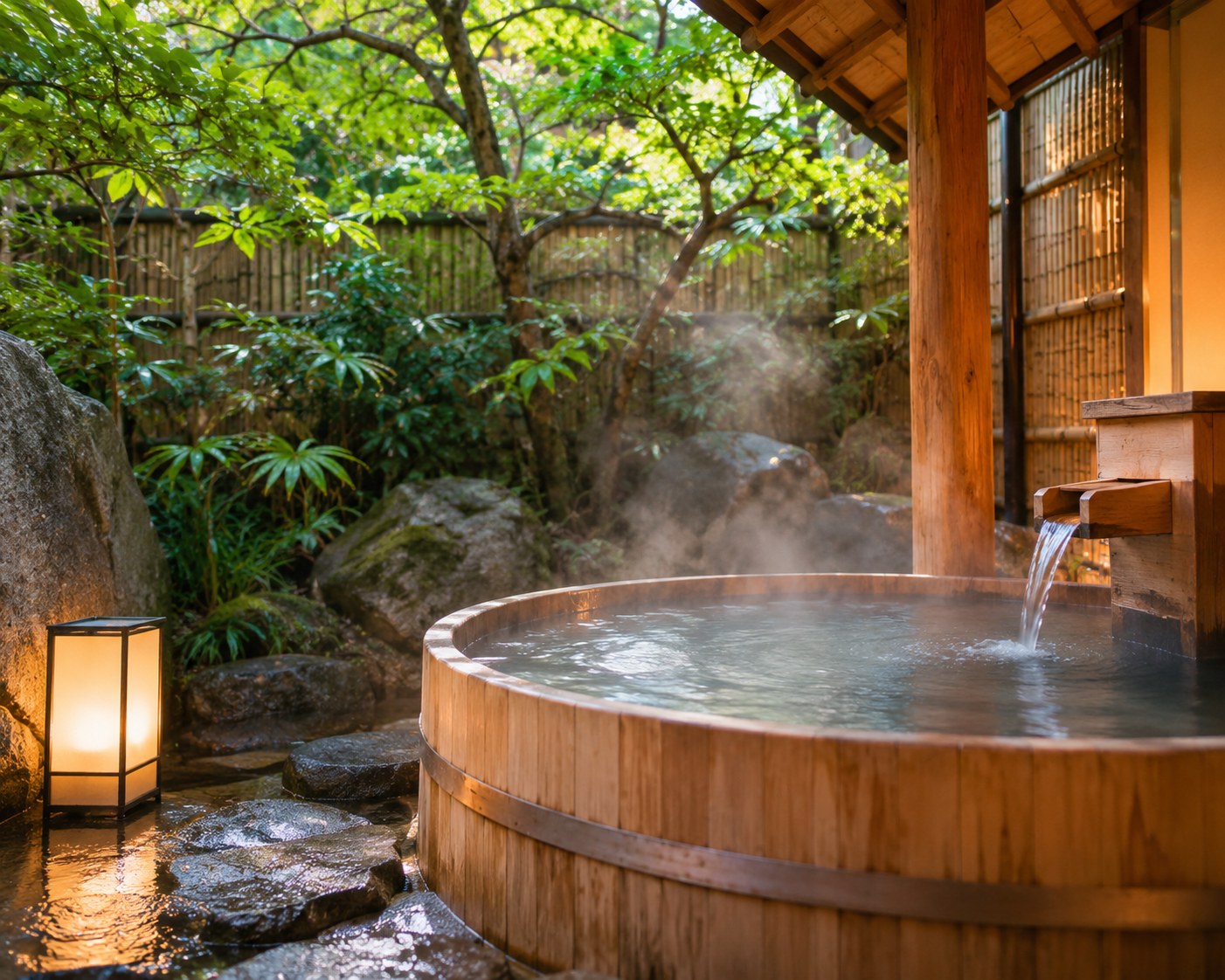
Some accommodations offer private baths, sometimes called kashikiri-buro (貸切風呂). These may offer more privacy, but they are not automatically exempt from a property’s tattoo policy. Check availability, booking rules, and any restrictions directly with the accommodation.
Private bathing arrangements also vary: some can be reserved by a couple or family, while others have different usage rules. Confirm the details rather than assuming.
6. Quick checklist before you visit
- Find the facility’s official tattoo policy.
- Ask whether tattoos are allowed in the specific bath you want to use.
- If covering is permitted, confirm the size and type of patch accepted.
- Ask about private-bath options if relevant.
- Check reservation requirements and other onsen etiquette.
- If the policy is unclear, contact the venue before traveling.
7. Test yourself: What would you do?
You find a beautiful onsen, but its website does not mention tattoos. Should you assume they are allowed?
Answer: No. Contact the venue and ask about its current policy. If it accepts covered tattoos, check the covering requirements before visiting.
Now try saying one useful question aloud: タトゥーがあっても入れますか?
For more practical culture lessons with Risa, explore JapanesePod101’s Japanese Culture with Risa collection.
8. The takeaway: Plan ahead, then enjoy the experience
Having tattoos does not mean every onsen experience in Japan is out of reach. Risa’s advice is to explore tattoo-friendly facilities and, where permitted, tattoo-covering stickers. The important step is to confirm the rules of the place you actually want to visit.
A little research—and a few polite Japanese phrases—can help you make a plan with confidence.
Watch the original Ask Risa lesson, How Do You Deal with Tattoos in Japan?, and hear Risa explain her advice on JapanesePod101.
What cultural or practical question would you ask before visiting Japan? Share it in the comments.