Japanese You’ll Need When Moving House in Japan
Moving house in Japan involves much more than unpacking boxes. During your first few weeks, you may need to finalize a rental contract, arrange internet service, contact your property manager, learn your neighborhood’s garbage rules, introduce yourself to neighbors, and update your address at the city or ward office.
For many foreign residents, these everyday tasks can feel more stressful than the move itself. Even if your Japanese is good enough for shopping or ordering food, housing-related conversations often include unfamiliar vocabulary, formal expressions, and paperwork that you may not have encountered before.
The good news is that you don’t need perfect Japanese to manage these situations. Learning a small set of practical phrases can help you ask questions, understand important information, and communicate politely with real estate agents, landlords, municipal staff, service providers, and neighbors.
In this guide, you’ll learn 40 essential Japanese phrases for seven common situations you’ll encounter when moving house in Japan. Each section also includes useful vocabulary, a short dialogue, and practical context to help you prepare for real conversations.

Table of Contents
What Do You Need to Handle When Moving House in Japan?
When moving house in Japan, residents commonly need to:
- Rent or finalize an apartment
- Understand the rental contract
- Set up internet and Wi-Fi
- Talk to a landlord or property manager
- Introduce themselves to neighbors
- Learn local garbage and recycling rules
- Change their registered address and update other services
These situations use practical Japanese that isn’t always covered in beginner textbooks. Learning the most useful phrases in advance can save time, reduce misunderstandings, and make the transition to your new home much smoother.
Renting or Finalizing Your Apartment

Whether you’re viewing apartments or preparing to sign a lease, you’ll probably speak with a real estate agent several times. Knowing a few common expressions will help you ask about costs, availability, and move-in details more confidently.
For more listening practice, try Moving In Japan – The First Big Step 2, a JapanesePod101 lesson that includes apartment-related vocabulary and dialogue.
Japan’s Ministry of Land, Infrastructure, Transport and Tourism also provides a multilingual guide for foreign residents looking for rental housing, including sample documents and contract-related checklists.
Common Situations
You may need to:
- Ask about rent
- Check whether utilities are included
- Confirm move-in dates
- Ask about furniture or appliances
- Schedule a viewing
- Confirm availability
6 Essential Japanese Phrases
| Japanese | Romaji | English |
|---|---|---|
| 家賃はいくらですか。 | Yachin wa ikura desu ka? | How much is the rent? |
| この部屋は空いていますか。 | Kono heya wa aite imasu ka? | Is this apartment available? |
| 内見したいです。 | Naiken shitai desu. | I’d like to view the apartment. |
| 入居日はいつですか。 | Nyūkyo-bi wa itsu desu ka? | When is the move-in date? |
| 家具付きですか。 | Kagu-tsuki desu ka? | Is it furnished? |
| 初期費用はいくらですか。 | Shoki hiyō wa ikura desu ka? | How much are the initial costs? |
Dialogue Example
Agent
こちらのお部屋をご案内します。
Kochira no oheya o go-annai shimasu.
I’ll show you the apartment.
Resident
家賃はいくらですか。
Yachin wa ikura desu ka?
How much is the rent?
Agent
月8万円です。
Tsuki hachi-man en desu.
It’s ¥80,000 per month.
Key Vocabulary
| Japanese | Romaji | Meaning |
|---|---|---|
| 家賃 | yachin | Rent |
| 部屋 | heya | Apartment / room |
| 初期費用 | shoki hiyō | Initial costs |
| 入居 | nyūkyo | Move-in |
| 内見 | naiken | Apartment viewing |
Understanding Your Rental Contract

Japanese rental contracts often contain terminology that even intermediate learners may find difficult. Before signing anything, ask for clarification if you don’t understand a fee, condition, or renewal rule.
Common Situations
You’ll often need to:
- Confirm the contract length
- Ask about renewal fees
- Understand deposits
- Clarify cancellation rules
- Ask about maintenance fees
- Review important conditions
6 Essential Japanese Phrases
| Japanese | Romaji | English |
|---|---|---|
| 契約期間は何年ですか。 | Keiyaku kikan wa nan-nen desu ka? | How long is the contract? |
| 更新料はありますか。 | Kōshinryō wa arimasu ka? | Is there a renewal fee? |
| 敷金はいくらですか。 | Shikikin wa ikura desu ka? | How much is the security deposit? |
| 礼金は必要ですか。 | Reikin wa hitsuyō desu ka? | Is key money required? |
| この内容を説明してください。 | Kono naiyō o setsumei shite kudasai. | Please explain this section. |
| 英語版はありますか。 | Eigoban wa arimasu ka? | Do you have an English version? |
Dialogue Example
Resident
更新料はありますか。
Kōshinryō wa arimasu ka?
Is there a renewal fee?
Agent
はい、契約更新時に1か月分です。
Hai, keiyaku kōshin-ji ni ik-kagetsu bun desu.
Yes, it’s one month’s rent at renewal.
Key Vocabulary
| Japanese | Romaji | Meaning |
|---|---|---|
| 契約 | keiyaku | Contract |
| 更新 | kōshin | Renewal |
| 敷金 | shikikin | Security deposit |
| 礼金 | reikin | Key money |
| 管理費 | kanrihi | Maintenance fee |
Setting Up Internet and Wi-Fi
After moving in, getting internet access may be one of your first priorities. Whether you’re visiting a provider’s store, applying online, or speaking on the phone, these phrases can help you ask about plans, fees, and installation.
Common Situations
You may need to:
- Compare internet plans
- Ask about installation
- Confirm monthly fees
- Schedule an appointment
- Ask how long installation takes
- Confirm the contract length
6 Essential Japanese Phrases
| Japanese | Romaji | English |
|---|---|---|
| インターネットを申し込みたいです。 | Intānetto o mōshikomitai desu. | I’d like to apply for internet service. |
| 工事日はいつですか。 | Kōji-bi wa itsu desu ka? | When is the installation date? |
| 月額料金はいくらですか。 | Gekugaku ryōkin wa ikura desu ka? | How much is the monthly fee? |
| Wi-Fiルーターは含まれていますか。 | Waifai rūta wa fukumarete imasu ka? | Is a Wi-Fi router included? |
| 契約期間はどのくらいですか。 | Keiyaku kikan wa dono kurai desu ka? | How long is the contract? |
| いつ使えるようになりますか。 | Itsu tsukaeru yō ni narimasu ka? | When will it be ready to use? |
Dialogue Example
Customer
工事日はいつですか。
Kōji-bi wa itsu desu ka?
When is the installation date?
Staff
来週の火曜日になります。
Raishū no kayōbi ni narimasu.
It will be next Tuesday.
Key Vocabulary
| Japanese | Romaji | Meaning |
|---|---|---|
| 工事 | kōji | Installation work |
| 月額料金 | gekugaku ryōkin | Monthly fee |
| 申し込む | mōshikomu | To apply |
| 契約期間 | keiyaku kikan | Contract period |
| ルーター | rūta | Router |
Talking to Your Landlord or Property Manager
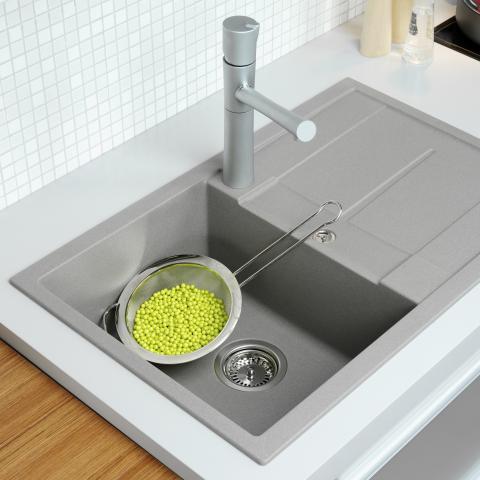
Sooner or later, you may need to contact your landlord or property management company. Common reasons include reporting a broken appliance, requesting repairs, or confirming when maintenance work will take place. A few polite phrases can make these conversations much easier.
Common Situations
You may need to:
- Report something that’s broken
- Request repairs
- Ask when someone will visit
- Explain an urgent problem
- Confirm an appointment
- Ask for an update
6 Essential Japanese Phrases
| Japanese | Romaji | English |
|---|---|---|
| エアコンが壊れました。 | Eakon ga kowaremashita. | The air conditioner is broken. |
| 修理をお願いしたいです。 | Shūri o onegai shitai desu. | I’d like to request a repair. |
| 水漏れしています。 | Mizumore shite imasu. | There’s a water leak. |
| いつ来てもらえますか。 | Itsu kite moraemasu ka? | When can someone come? |
| 見てもらえますか。 | Mite moraemasu ka? | Could someone take a look? |
| ありがとうございます。よろしくお願いします。 | Arigatō gozaimasu. Yoroshiku onegaishimasu. | Thank you. I appreciate your help. |
Dialogue Example
Resident
水漏れしています。
Mizumore shite imasu.
There’s a water leak.
Property Manager
すぐ担当者を手配します。
Sugu tantōsha o tehai shimasu.
We’ll arrange for someone to come immediately.
Key Vocabulary
| Japanese | Romaji | Meaning |
|---|---|---|
| 修理 | shūri | Repair |
| 水漏れ | mizumore | Water leak |
| 故障 | koshō | Breakdown |
| 担当者 | tantōsha | Person in charge / staff member |
| 管理会社 | kanri gaisha | Property management company |
Talking to Neighbors in Japan
Introducing yourself to your neighbors isn’t always expected, but it can still be a polite gesture depending on the building and neighborhood. Even a short greeting can help create a positive first impression.
If you’d like to hear this kind of conversation, JapanesePod101’s Moving In Japan – Meeting the New Neighbors lesson practices greetings and expressions used after moving into a new home.
Common Situations
You may need to:
- Introduce yourself
- Say that you’ve just moved in
- Apologize for moving noise
- Greet neighbors when you meet
4 Essential Japanese Phrases
| Japanese | Romaji | English |
|---|---|---|
| はじめまして。 | Hajimemashite. | Nice to meet you. |
| 先日引っ越してきました。 | Senjitsu hikkoshite kimashita. | I recently moved here. |
| よろしくお願いします。 | Yoroshiku onegaishimasu. | I look forward to getting along with you. |
| ご迷惑をおかけしたらすみません。 | Gomeiwaku o okake shitara sumimasen. | I’m sorry if I cause any inconvenience. |
Dialogue Example
Resident
はじめまして。先日引っ越してきました。
Hajimemashite. Senjitsu hikkoshite kimashita.
Nice to meet you. I recently moved here.
Neighbor
こちらこそよろしくお願いします。
Kochira koso yoroshiku onegaishimasu.
Nice to meet you too.
Key Vocabulary
| Japanese | Romaji | Meaning |
|---|---|---|
| 引っ越す | hikkosu | To move house |
| ご近所 | gokinjo | Neighborhood / neighbors |
| ご迷惑 | gomeiwaku | Inconvenience |
| あいさつ | aisatsu | Greeting |
Understanding Garbage and Recycling Rules

Garbage collection and sorting rules vary by municipality in Japan. Learning a few key words can help you understand local notices, put garbage out on the correct day, and avoid sorting mistakes.
Always check the official garbage guide for your own city or ward, because categories, collection days, bags, and disposal methods can differ from one municipality to another.
Common Situations
You’ll need to:
- Separate garbage correctly
- Check collection days
- Read local notices
- Ask where to put items for collection
6 Essential Japanese Phrases
| Japanese | Romaji | English |
|---|---|---|
| ゴミの日はいつですか。 | Gomi no hi wa itsu desu ka? | When is garbage collection day? |
| 燃えるゴミです。 | Moeru gomi desu. | This is burnable garbage. |
| 燃えないゴミです。 | Moenai gomi desu. | This is non-burnable garbage. |
| リサイクルできますか。 | Risaikuru dekimasu ka? | Can this be recycled? |
| ゴミはどこに出しますか。 | Gomi wa doko ni dashimasu ka? | Where should I put the garbage? |
| これは何ゴミですか。 | Kore wa nani-gomi desu ka? | What type of garbage is this? |
Dialogue Example
Resident
ゴミの日はいつですか。
Gomi no hi wa itsu desu ka?
When is garbage collection day?
Neighbor
火曜日と金曜日です。
Kayōbi to kin’yōbi desu.
Tuesday and Friday.
Key Vocabulary
| Japanese | Romaji | Meaning |
|---|---|---|
| ゴミ | gomi | Garbage |
| 分別 | bunbetsu | Sorting / separation |
| 燃えるゴミ | moeru gomi | Burnable garbage |
| 燃えないゴミ | moenai gomi | Non-burnable garbage |
| リサイクル | risaikuru | Recycling |
Want to practice this vocabulary in context? Try JapanesePod101’s Extensive Reading in Japanese for Intermediate Learners: Recycling.
Changing Your Address in Japan
After moving, you’ll need to update your registered address and may also need to change your address with banks, insurance providers, your employer, utilities, and other services.
For medium- to long-term foreign residents, Japan’s Immigration Services Agency states that a change of residence should generally be reported through the appropriate municipal office within 14 days of moving to the new address. Bringing your residence card to the municipal office and completing the applicable resident-registration procedure also counts as the required residence notification. See the official Immigration Services Agency guidance for details.
The exact municipal form depends on the move. For example, moving to a different municipality and moving within the same municipality involve different notifications, so check your city or ward’s instructions before you go.
Common Situations
You’ll need to:
- Submit the appropriate moving paperwork
- Confirm your new address
- Ask what documents you need
- Show your residence card when required
- Confirm that the procedure is complete
6 Essential Japanese Phrases
| Japanese | Romaji | English |
|---|---|---|
| 引っ越しの手続きをしたいです。 | Hikkoshi no tetsuzuki o shitai desu. | I’d like to complete the moving procedures. |
| 必要な書類は何ですか。 | Hitsuyō na shorui wa nan desu ka? | What documents do I need? |
| 在留カードはこちらです。 | Zairyū kādo wa kochira desu. | Here’s my residence card. |
| 新しい住所はこちらです。 | Atarashii jūsho wa kochira desu. | This is my new address. |
| 手続きはこれで終わりですか。 | Tetsuzuki wa kore de owari desu ka? | Is that everything for the procedure? |
| ありがとうございました。 | Arigatō gozaimashita. | Thank you very much. |
Dialogue Example
Resident
引っ越しの手続きをしたいです。
Hikkoshi no tetsuzuki o shitai desu.
I’d like to complete the moving procedures.
City Office Staff
在留カードをお願いします。
Zairyū kādo o onegai shimasu.
May I have your residence card?
Key Vocabulary
| Japanese | Romaji | Meaning |
|---|---|---|
| 住所 | jūsho | Address |
| 変更 | henkō | Change |
| 手続き | tetsuzuki | Procedure |
| 書類 | shorui | Documents |
| 在留カード | zairyū kādo | Residence card |
For a broader overview of the language you’ll need for housing, city-office procedures, banking, healthcare, and other parts of resident life, see The Ultimate Japanese Guide for Living in Japan: 160+ Essential Phrases for Visa, Immigration, Moving & Daily Life.
You may also find Moving to Japan Checklist: 8 Essential Steps (+ Japanese Phrases for Every Situation) useful if you’re still working through your first setup tasks after arriving.
Learn Daily Japanese with JapanesePod101
Knowing individual phrases is useful, but being able to recognize them in a real conversation is even more important. Listening regularly helps you get used to natural speaking speed, common vocabulary, and the polite expressions you’ll hear when dealing with housing and everyday services.
JapanesePod101 can help you prepare with:
- Beginner-friendly dialogue lessons
- Native-speaker audio
- Practical vocabulary lists
- Survival Pathways for everyday Japanese
- Listening practice based on real situations
- Downloadable lesson materials for review
Start with the situation you’re most likely to face next. Practice a few phrases, listen to a related dialogue, and repeat the expressions aloud until they feel familiar.
Conclusion & Next Steps
Moving house in Japan comes with plenty of practical tasks, from signing contracts and arranging internet service to learning garbage rules and updating your address. These situations can feel complicated at first, but a small amount of practical Japanese can make them much easier to handle.
Start by learning the expressions you’ll use most often, then practice them in realistic conversations. The more familiar these situations become, the more confident you’ll feel navigating everyday life in your new home.
Ready to go beyond memorizing phrases? Explore JapanesePod101 for dialogue-based lessons, vocabulary lists, listening practice, and structured learning pathways designed to help you communicate in real-life situations.
Question for You
Which moving-related situation in Japan has been the most challenging for you: rental contracts, city-office paperwork, talking to neighbors, setting up services, or understanding the garbage rules?
Leave a comment below and let us know. We’ll recommend lessons and resources to help you feel more confident in that situation.