Moving to Japan is exciting, but everyday life quickly teaches you that textbook Japanese and real-life Japanese are not always the same thing.
Ordering coffee or introducing yourself is one thing. Explaining that you’ve lost your wallet, describing symptoms to a doctor, or asking why your train has stopped is something else entirely. These situations often happen unexpectedly, and staff may speak quickly or use vocabulary you have not practiced before.
The good news is that you do not need perfect Japanese to handle everyday situations more confidently. Many interactions follow familiar patterns, and learning a few useful phrases in advance can make it much easier to understand what is happening and respond appropriately.
In this guide, you’ll learn 42 practical Japanese phrases across six situations that residents and long-term visitors commonly face: the post office, hospitals and clinics, customer service, police, emergencies, and transportation problems. Each section includes romanization, English meanings, a short dialogue, and useful vocabulary.
Table of Contents
What Japanese Phrases Do You Need for Daily Life in Japan?
If you’re living in Japan, or planning to move here, you do not need to memorize thousands of words before you can function confidently. It is more useful to learn phrases for the situations you are actually likely to encounter.
This guide focuses on:
- Sending packages and handling simple tasks at the post office
- Visiting hospitals and clinics
- Calling customer service
- Speaking with police officers
- Handling emergencies
- Solving transportation problems
For a broader guide covering immigration, city hall, banking, housing, shopping, and other parts of daily life, see The Ultimate Japanese Guide for Living in Japan: 160+ Essential Phrases for Visa, Immigration, Moving & Daily Life.
At the Post Office: Sending Packages, Paying Bills, and Tracking Deliveries
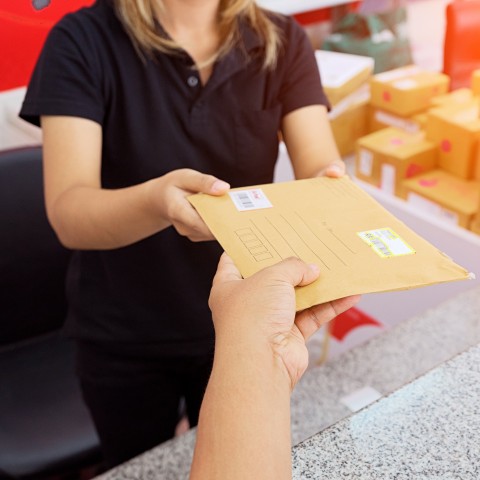
Whether you’re mailing something home, buying stamps, or sending a parcel within Japan, you may need to visit a post office. Some payment slips can also be paid at post offices, depending on the bill and payment method.
For extra listening practice, JapanesePod101’s Post Office 1 lesson covers a realistic parcel-sending conversation.
Common Situations
You may visit the post office to:
- Send domestic packages
- Ship international parcels
- Buy stamps
- Pay certain bills
- Track a package
- Ask about delivery times
Essential Japanese Phrases
| Japanese | Romaji | English |
|---|---|---|
| 荷物を送りたいです。 | Nimotsu o okuritai desu. | “I’d like to send a package.” |
| 国際便で送りたいです。 | Kokusai-bin de okuritai desu. | “I’d like to send it by international mail.” |
| この荷物を送るのはいくらですか。 | Kono nimotsu o okuru no wa ikura desu ka? | “How much does it cost to send this package?” |
| 追跡できますか。 | Tsuiseki dekimasu ka? | “Can I track it?” |
| 切手をください。 | Kitte o kudasai. | “I’d like some stamps, please.” |
| この請求書を支払いたいです。 | Kono seikyūsho o shiharaitai desu. | “I’d like to pay this bill.” |
| 何日ぐらいかかりますか。 | Nan-nichi gurai kakarimasu ka? | “About how many days will it take?” |
Sample Dialogue
Customer
荷物を送りたいです。
Nimotsu o okuritai desu.
“I’d like to send a package.”
Clerk
国内ですか、それとも国際ですか。
Kokunai desu ka, soretomo kokusai desu ka?
“Is it domestic or international?”
Customer
国際便で送りたいです。追跡できますか。
Kokusai-bin de okuritai desu. Tsuiseki dekimasu ka?
“I’d like to send it by international mail. Can I track it?”
Clerk
はい、できます。こちらに住所を書いてください。
Hai, dekimasu. Kochira ni jūsho o kaite kudasai.
“Yes, you can. Please write the address here.”
Useful Vocabulary
| Japanese | Romaji | English |
|---|---|---|
| 郵便局 | yūbinkyoku | “post office” |
| 荷物 | nimotsu | “package / luggage” |
| 切手 | kitte | “stamp” |
| 送料 | sōryō | “shipping fee” |
| 追跡 | tsuiseki | “tracking” |
| 配達 | haitatsu | “delivery” |
| 請求書 | seikyūsho | “bill / invoice” |
Visiting a Hospital or Clinic
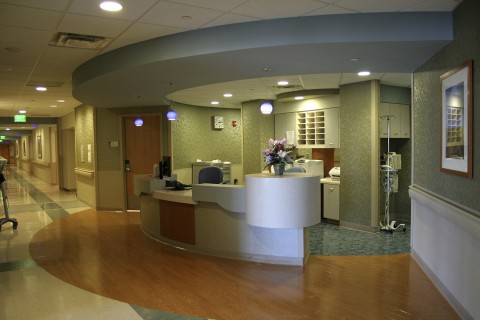
Nobody plans to get sick, but learning a few medical phrases before you need them can make a clinic or hospital visit less stressful. You may need to check in, explain your symptoms, answer questions, and find out where to get medicine.
If you want to hear a hospital conversation in context, I’m Sick! Here’s How to Get Help at the Hospital in Japan practices useful hospital vocabulary and dialogue.
Japan now uses the My Number Card as a health insurance certificate for people who have registered it for that purpose. If you use one, the phrase below can help you confirm whether the facility accepts it.
Common Situations
At a hospital or clinic, you may need to:
- Register as a new patient
- Describe your symptoms
- Confirm your health insurance information
- Answer the doctor’s or nurse’s questions
- Pick up prescription medicine
Essential Japanese Phrases
| Japanese | Romaji | English |
|---|---|---|
| 初めてです。 | Hajimete desu. | “This is my first visit.” |
| マイナ保険証を使えますか。 | Maina hokenshō o tsukaemasu ka? | “Can I use my My Number health insurance card?” |
| 熱があります。 | Netsu ga arimasu. | “I have a fever.” |
| 頭が痛いです。 | Atama ga itai desu. | “I have a headache.” |
| お腹が痛いです。 | Onaka ga itai desu. | “My stomach hurts.” |
| 英語を話せる人はいますか。 | Eigo o hanaseru hito wa imasu ka? | “Is there anyone who speaks English?” |
| 薬はどこでもらえますか。 | Kusuri wa doko de moraemasu ka? | “Where can I get my medicine?” |
Sample Dialogue
Receptionist
今日はどうされましたか。
Kyō wa dō saremashita ka?
“What brings you here today?”
Patient
熱があります。それから頭が痛いです。
Netsu ga arimasu. Sorekara atama ga itai desu.
“I have a fever, and I have a headache.”
Receptionist
保険の確認をします。
Hoken no kakunin o shimasu.
“I’ll check your insurance information.”
Patient
マイナ保険証を使えますか。
Maina hokenshō o tsukaemasu ka?
“Can I use my My Number health insurance card?”
Useful Vocabulary
| Japanese | Romaji | English |
|---|---|---|
| 病院 | byōin | “hospital” |
| クリニック | kurinikku | “clinic” |
| 医師 | ishi | “doctor / physician” |
| 看護師 | kangoshi | “nurse” |
| 症状 | shōjō | “symptoms” |
| 薬 | kusuri | “medicine” |
| マイナ保険証 | Maina hokenshō | “My Number health insurance card” |
| 処方箋 | shohōsen | “prescription” |
Helpful Phrases When You Don’t Understand
もう一度お願いします。
Mō ichido onegaishimasu.
“Could you say that again?”
ゆっくり話してください。
Yukkuri hanashite kudasai.
“Please speak slowly.”
For official information about using a My Number Card for health insurance, see the Ministry of Health, Labour and Welfare’s multilingual guidance. If you need help finding medical care, the JNTO emergency and medical guidance includes useful support information.
Calling Customer Service
Calling an internet provider, phone company, bank, utility company, or insurer can feel intimidating if Japanese is not your first language. Fortunately, you do not need to understand every word. Listen for key terms such as 契約 (keiyaku, “contract”), 住所 (jūsho, “address”), 修理 (shūri, “repair”), and 確認 (kakunin, “confirmation”).
For listening practice, try Learn How to Talk on the Phone in Japanese – Practice.
Common Situations
You may need to contact customer service to:
- Report a service problem
- Ask about your account
- Change your address
- Update a contract
- Request technical support
- Schedule a repair
Essential Japanese Phrases
| Japanese | Romaji | English |
|---|---|---|
| 問題があります。 | Mondai ga arimasu. | “I have a problem.” |
| インターネットが使えません。 | Intānetto ga tsukaemasen. | “My internet isn’t working.” |
| 契約を変更したいです。 | Keiyaku o henkō shitai desu. | “I’d like to change my contract.” |
| 住所を変更したいです。 | Jūsho o henkō shitai desu. | “I’d like to change my address.” |
| もう一度説明してください。 | Mō ichido setsumei shite kudasai. | “Could you explain that again?” |
| ゆっくり話してください。 | Yukkuri hanashite kudasai. | “Please speak slowly.” |
| わかりました。ありがとうございます。 | Wakarimashita. Arigatō gozaimasu. | “I understand. Thank you.” |
Sample Dialogue
Representative
お問い合わせありがとうございます。どうされましたか。
O-toiawase arigatō gozaimasu. Dō saremashita ka?
“Thank you for contacting us. How can I help you today?”
Customer
インターネットが使えません。
Intānetto ga tsukaemasen.
“My internet isn’t working.”
Representative
確認しますので、少々お待ちください。
Kakunin shimasu node, shōshō o-machi kudasai.
“I’ll check that for you. Please wait a moment.”
Customer
ありがとうございます。
Arigatō gozaimasu.
“Thank you.”
Useful Vocabulary
| Japanese | Romaji | English |
|---|---|---|
| 契約 | keiyaku | “contract” |
| 故障 | koshō | “breakdown / malfunction” |
| 修理 | shūri | “repair” |
| 確認 | kakunin | “confirmation / checking” |
| 担当者 | tantōsha | “representative / person in charge” |
| お客様 | okyakusama | “customer” |
| 住所変更 | jūsho henkō | “change of address” |
Going to a Police Box or Police Station
Hopefully, you will not need police assistance often, but knowing a few phrases is useful if you lose your wallet or passport, have something stolen, or need immediate help.
Japan’s neighborhood police boxes are called 交番 (kōban). They are often a convenient place to ask for help or report lost property.
For emergency-language practice, JapanesePod101’s Help 110! (911) lesson covers essential expressions for calling for help.
Common Situations
You may need the police to:
- Report lost property
- Report theft
- Ask for help
- File a lost-property report
- Explain where you last saw an item
- Confirm your identity
Essential Japanese Phrases
| Japanese | Romaji | English |
|---|---|---|
| 財布をなくしました。 | Saifu o nakushimashita. | “I lost my wallet.” |
| パスポートをなくしました。 | Pasupōto o nakushimashita. | “I lost my passport.” |
| 自転車を盗まれました。 | Jitensha o nusumaremashita. | “My bicycle was stolen.” |
| 遺失届を出したいです。 | Ishitsu-todoke o dashitai desu. | “I’d like to file a lost-property report.” |
| 助けてください。 | Tasukete kudasai. | “Please help me.” |
| 英語を話せる方はいますか。 | Eigo o hanaseru kata wa imasu ka? | “Is there someone who speaks English?” |
| 最後に見たのは駅です。 | Saigo ni mita no wa eki desu. | “The last place I saw it was at the station.” |
Sample Dialogue
Police Officer
どうしましたか。
Dō shimashita ka?
“What happened?”
Resident
財布をなくしました。遺失届を出したいです。
Saifu o nakushimashita. Ishitsu-todoke o dashitai desu.
“I lost my wallet. I’d like to file a lost-property report.”
Police Officer
最後に見た場所はどこですか。
Saigo ni mita basho wa doko desu ka?
“Where did you last see it?”
Resident
駅です。
Eki desu.
“At the station.”
Useful Vocabulary
| Japanese | Romaji | English |
|---|---|---|
| 警察 | keisatsu | “police” |
| 交番 | kōban | “police box” |
| 落とし物 | otoshimono | “lost property” |
| 盗難 | tōnan | “theft” |
| 遺失届 | ishitsu-todoke | “lost-property report” |
| 財布 | saifu | “wallet” |
| パスポート | pasupōto | “passport” |
| 身分証明書 | mibun shōmeisho | “identification” |
Survival Tip
When you’re nervous, shorter is often better. Start with one clear sentence:
財布をなくしました。
Saifu o nakushimashita.
“I lost my wallet.”
パスポートをなくしました。
Pasupōto o nakushimashita.
“I lost my passport.”
助けてください。
Tasukete kudasai.
“Please help me.”
Once the officer understands the situation, they can guide the conversation with follow-up questions.
For official information about community police boxes, see the National Police Agency’s information on kōban and community policing.
Emergency Situations
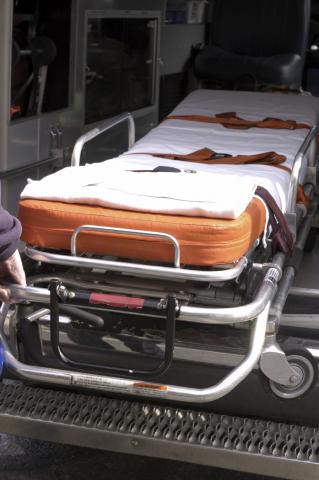
Emergencies are stressful in any language. Whether you need an ambulance, witness an accident, or discover a fire, clear communication matters more than perfect grammar.
In Japan:
- 110 = Police
- 119 = Fire and ambulance
These numbers are for urgent emergencies.
Common Situations
You may need Japanese if you:
- Need an ambulance
- Witness an accident
- Report a fire
- Feel seriously ill
- Need immediate assistance
- Need to explain your location
Essential Japanese Phrases
| Japanese | Romaji | English |
|---|---|---|
| 助けてください。 | Tasukete kudasai. | “Please help me.” |
| 救急車を呼んでください。 | Kyūkyūsha o yonde kudasai. | “Please call an ambulance.” |
| 火事です。 | Kaji desu. | “There’s a fire.” |
| 事故です。 | Jiko desu. | “There’s been an accident.” |
| 気分が悪いです。 | Kibun ga warui desu. | “I feel sick.” |
| 呼吸ができません。 | Kokyū ga dekimasen. | “I can’t breathe.” |
| 場所は○○です。 | Basho wa ○○ desu. | “The location is ___.” |
Sample Dialogue
Emergency Operator
どうしましたか。
Dō shimashita ka?
“What happened?”
Caller
事故です。救急車を呼んでください。
Jiko desu. Kyūkyūsha o yonde kudasai.
“There’s been an accident. Please send an ambulance.”
Operator
場所はどこですか。
Basho wa doko desu ka?
“Where are you?”
Caller
駅の前です。
Eki no mae desu.
“In front of the station.”
Useful Vocabulary
| Japanese | Romaji | English |
|---|---|---|
| 救急車 | kyūkyūsha | “ambulance” |
| 消防車 | shōbōsha | “fire truck” |
| 火事 | kaji | “fire” |
| 事故 | jiko | “accident” |
| 怪我 | kega | “injury” |
| 救急 | kyūkyū | “emergency / first aid” |
| 病院 | byōin | “hospital” |
If You Don’t Know Your Exact Location
Tell the operator the nearest:
- Train station
- Convenience store
- Intersection
- Building
- Landmark
The JNTO Staying Safe in Japan page also lists emergency numbers and support resources.
Transportation Problems
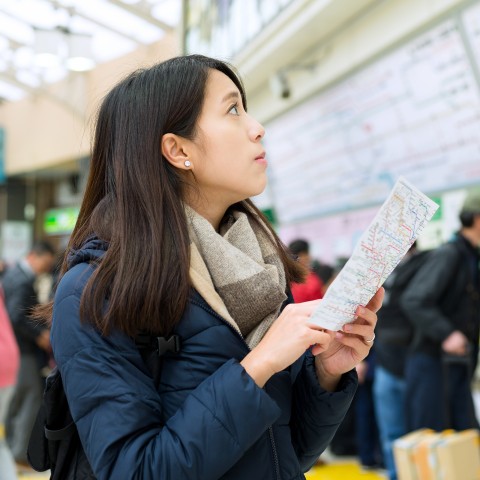
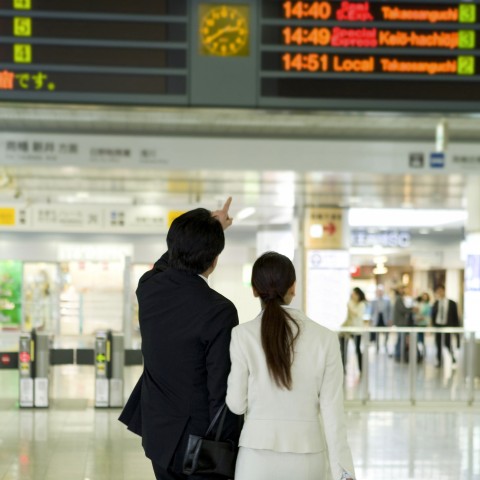
Japan’s rail system is extensive, but delays, service suspensions, missed connections, and lost tickets or IC cards can still happen. Knowing a few transportation phrases can save time when your plans do not go as expected.
Common Situations
You may need help when:
- Your train is delayed
- You lose your ticket or IC card
- You are looking for the correct platform
- You need directions
- You need to transfer trains
- You need to confirm whether a train goes to your destination
Essential Japanese Phrases
| Japanese | Romaji | English |
|---|---|---|
| 電車が遅れていますか。 | Densha ga okurete imasu ka? | “Is the train delayed?” |
| 切符をなくしました。 | Kippu o nakushimashita. | “I lost my ticket.” |
| この電車は東京へ行きますか。 | Kono densha wa Tōkyō e ikimasu ka? | “Does this train go to Tokyo?” |
| ○○駅はどこですか。 | ○○-eki wa doko desu ka? | “Where is ___ Station?” |
| 何番ホームですか。 | Nanban hōmu desu ka? | “Which platform is it?” |
| ICカードをなくしました。 | IC kādo o nakushimashita. | “I lost my IC card.” |
| 乗り換えはどこですか。 | Norikae wa doko desu ka? | “Where do I transfer?” |
Sample Dialogue
Passenger
すみません。東京駅へ行きたいです。何番ホームですか。
Sumimasen. Tōkyō-eki e ikitai desu. Nanban hōmu desu ka?
“Excuse me. I’d like to go to Tokyo Station. Which platform is it?”
Station Staff
5番ホームです。
Go-ban hōmu desu.
“Platform 5.”
Passenger
ありがとうございます。
Arigatō gozaimasu.
“Thank you very much.”
Useful Vocabulary
| Japanese | Romaji | English |
|---|---|---|
| 電車 | densha | “train” |
| 駅 | eki | “station” |
| ホーム | hōmu | “platform” |
| 切符 | kippu | “ticket” |
| 遅れ | okure | “delay” |
| 乗り換え | norikae | “transfer” |
| 改札 | kaisatsu | “ticket gate” |
| 運休 | unkyū | “service suspension / cancellation” |
Essential Japanese Cheat Sheet for Everyday Life
Need a quick refresher before heading out? Save this table to your phone or bookmark the page.
| Situation | Japanese | Romaji | English |
|---|---|---|---|
| Post Office | 荷物を送りたいです。 | Nimotsu o okuritai desu. | “I’d like to send a package.” |
| Hospital | 熱があります。 | Netsu ga arimasu. | “I have a fever.” |
| Hospital | 頭が痛いです。 | Atama ga itai desu. | “I have a headache.” |
| Customer Service | 問題があります。 | Mondai ga arimasu. | “I have a problem.” |
| Customer Service | ゆっくり話してください。 | Yukkuri hanashite kudasai. | “Please speak slowly.” |
| Police | 財布をなくしました。 | Saifu o nakushimashita. | “I lost my wallet.” |
| Police | 助けてください。 | Tasukete kudasai. | “Please help me.” |
| Emergency | 救急車を呼んでください。 | Kyūkyūsha o yonde kudasai. | “Please call an ambulance.” |
| Emergency | 火事です。 | Kaji desu. | “There’s a fire.” |
| Transportation | 電車が遅れていますか。 | Densha ga okurete imasu ka? | “Is the train delayed?” |
| Transportation | 切符をなくしました。 | Kippu o nakushimashita. | “I lost my ticket.” |
| Transportation | 何番ホームですか。 | Nanban hōmu desu ka? | “Which platform is it?” |
How to Practice These Situations Before You Need Them
The best time to learn practical Japanese is before you urgently need it.
Focus on Situations You’ll Actually Experience
Practice conversations you are likely to encounter as someone living in Japan:
- Asking for help
- Describing symptoms
- Sending packages
- Reporting lost items
- Asking for directions
- Understanding station staff
- Making phone calls
- Talking with customer service
Learn Through Complete Dialogues
Studying complete conversations helps you learn more than isolated words. Dialogues show you:
- Natural pronunciation
- Common sentence patterns
- Polite expressions
- Expected responses
- Vocabulary in context
- Conversational rhythm
Over time, you can start recognizing entire chunks of language instead of translating word by word.
A Simple Listening Practice Routine
- Listen once without reading.
- Read the transcript.
- Listen again.
- Repeat each sentence aloud.
- Role-play both speakers.
- Review the dialogue again a few days later.
Practice Real-Life Japanese with JapanesePod101
The best way to prepare for life in Japan is to practice the conversations you are most likely to have.
JapanesePod101 includes dialogue-based lessons, vocabulary practice, listening exercises, transcripts, and other resources for everyday communication. You can start with Absolute Beginner Japanese lessons and move into more situation-specific material as your Japanese improves.
Whether you are preparing before your move or already living in Japan, regular listening and speaking practice can make these situations feel much more familiar.
When you’re ready to keep building practical Japanese through dialogues, vocabulary, and listening practice, start learning real-life Japanese with JapanesePod101.
Frequently Asked Questions
Can I live in Japan without speaking Japanese?
It is possible, especially in larger cities where multilingual signs and translation tools are common. However, even a small amount of practical Japanese can make hospitals, transportation, customer service, and unexpected problems much easier to handle.
What level of Japanese do I need to live comfortably in Japan?
There is no single JLPT level that guarantees comfortable daily life. The JLPT measures specific language skills, while real-life communication also depends on listening speed, vocabulary, confidence, and the situations you encounter.
Even beginners can make daily life easier by learning practical phrases for the situations they face most often.
Is English spoken at Japanese hospitals?
Some hospitals and clinics offer English-speaking staff or interpretation support, while others operate mainly in Japanese. Availability varies by facility and location, so it is useful to check in advance when possible.
Should I learn keigo before moving to Japan?
You do not need advanced business keigo to handle most ordinary daily situations. Basic polite Japanese, including the です/ます (desu/masu) style and common polite requests, is much more useful at first.
Final Thoughts
Living in Japan does not require perfect Japanese. What matters is being able to communicate when you need help.
Whether you are mailing a package, visiting a doctor, reporting a lost wallet, calling customer service, handling an emergency, or asking about a train, a few practical phrases can give you a clear way to begin the conversation.
Start with one situation. Practice a few phrases. Listen to a short dialogue. Then build from there. With repeated exposure, conversations that once felt intimidating can become much more manageable.
We’d Love to Hear From You
Which of these six situations would make you the most nervous in Japanese?
- Visiting a hospital
- Going to the post office
- Talking to the police
- Calling customer service
- Handling an emergency
- Asking for help at a train station
Leave a comment below and let us know. We’ll recommend lessons and resources to help you feel more confident in that situation.