Moving to Japan is exciting, until you’re handed your first government form.
Most learners know how to introduce themselves or order food, but everyday life in Japan requires a different kind of Japanese. Registering your address, renewing your visa, opening a bank account, visiting a doctor, or understanding a tax notice all involve formal vocabulary and expressions that rarely appear in beginner textbooks.
If you’ve ever stood at a city office wondering what a document says or felt nervous speaking with a government employee, you’re not alone. Practical Japanese is one of the biggest challenges new residents face.
This guide brings together essential Japanese phrases organized by the situations you’ll encounter most often, from immigration and healthcare to housing, banking, emergencies, and daily life. Whether you’ve just arrived or have lived in Japan for years, these phrases will help you handle everyday tasks with more confidence and less stress.
Table of Contents
What Japanese Do You Need to Live in Japan?
To live independently in Japan, you’ll need practical Japanese for immigration, government offices, healthcare, banking, housing, emergencies, and everyday services. These situations use specialized vocabulary and polite expressions that differ from the Japanese taught in most beginner courses.
The table below shows where you’ll use Japanese most often as a resident.
| Situation | You’ll Use Japanese For |
|---|---|
| Immigration & Visas | Residence cards, visa renewals, applications |
| City & Ward Offices | Address registration, My Number, certificates |
| Health Insurance & Pension | Enrollment, payments, benefits |
| Taxes | Resident tax, income tax, payment notices |
| Banking & Contracts | Bank accounts, utilities, mobile plans |
| Housing | Renting, repairs, garbage rules |
| Emergencies | Hospitals, police, pharmacies |
| Daily Life | Shopping, deliveries, customer service |
Mastering these situations will save time, reduce stress, and help you feel more confident navigating life in Japan.
Why Practical Japanese Matters More Than Textbook Japanese
Many learners spend months studying vocabulary they’ll rarely use, only to arrive in Japan and hear questions like:
在留カードをお持ちですか。
Zairyū kādo o omochi desu ka?
“Do you have your Residence Card?”
or
住民票はこちらで登録してください。
Jūminhyō wa kochira de tōroku shite kudasai.
“Please register your resident record here.”
These conversations rely on administrative vocabulary, polite language, and fixed expressions that most beginner courses don’t cover.
The good news is that everyday procedures are surprisingly predictable. Once you learn the phrases used at immigration, city hall, banks, hospitals, and other public services, you’ll start hearing the same patterns again and again.
Instead of memorizing thousands of unrelated words, you can focus on the Japanese that helps you solve real problems and navigate daily life with confidence.
Immigration & Visa Procedures
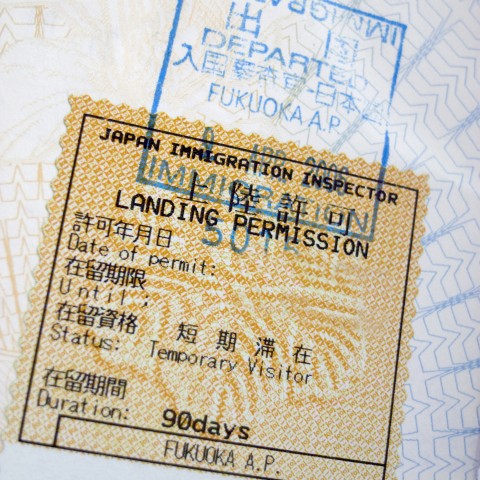
Immigration procedures are often the first real test of your Japanese. Whether you’re entering Japan, renewing your residence status, or applying for permanent residency, you’ll hear formal language and administrative vocabulary that rarely appears in beginner textbooks.
The good news is that these conversations follow predictable patterns. Learning a handful of high-frequency phrases will help you understand staff, ask questions confidently, and complete paperwork with far less stress.
Essential Vocabulary
These are the words you’ll encounter most often on immigration forms and during appointments.
| Japanese | Romaji | English |
|---|---|---|
| 在留カード | zairyū kādo | “Residence Card” |
| 在留資格 | zairyū shikaku | “Residence Status” |
| 更新 | kōshin | “Renewal” |
| 申請 | shinsei | “Application” |
| 必要書類 | hitsuyō shorui | “Required Documents” |
| パスポート | pasupōto | “Passport” |
| 窓口 | madoguchi | “Service Counter” |
| 手続き | tetsuzuki | “Procedure” |
Essential Immigration Phrases
Here are some of the phrases foreign residents hear most often.
| Japanese | Romaji | English | When You’ll Use It |
|---|---|---|---|
| 在留カードを見せてください。 | Zairyū kādo o misete kudasai. | “Please show your Residence Card.” | Immigration or city office |
| パスポートをお願いします。 | Pasupōto o onegaishimasu. | “May I see your passport?” | Identity verification |
| 更新したいです。 | Kōshin shitai desu. | “I’d like to renew my visa.” | Visa renewal |
| 必要な書類は何ですか。 | Hitsuyō na shorui wa nan desu ka? | “What documents are required?” | Before applying |
| この書類を書いてください。 | Kono shorui o kaite kudasai. | “Please fill out this form.” | Completing paperwork |
| 少々お待ちください。 | Shōshō omachi kudasai. | “Please wait a moment.” | At the service counter |
| こちらにサインしてください。 | Kochira ni sain shite kudasai. | “Please sign here.” | Forms and applications |
| ありがとうございます。 | Arigatō gozaimasu. | “Thank you very much.” | Every interaction |
Example Conversation at Immigration
Below is a typical interaction during a residence status renewal.
Staff:
在留カードを見せてください。
Zairyū kādo o misete kudasai.
“Please show your Residence Card.”
You:
はい、どうぞ。
Hai, dōzo.
“Certainly.”
Staff:
更新ですか。
Kōshin desu ka?
“Are you here for a renewal?”
You:
はい、更新したいです。
Hai, kōshin shitai desu.
“Yes, I’d like to renew my visa.”
Staff:
必要書類はこちらです。
Hitsuyō shorui wa kochira desu.
“These are the required documents.”
Moving to Japan & First Setup
Your first few weeks in Japan involve more paperwork than most newcomers expect. Registering your address, enrolling in National Health Insurance, opening a bank account, and setting up utilities all require practical Japanese that you’ll hear repeatedly at city offices and service counters.
Fortunately, many of these conversations follow the same patterns. Learning a few essential phrases before your appointments will make the process much smoother.

Essential Vocabulary
These are some of the first words you’ll encounter after moving to Japan.
| Japanese | Romaji | English |
|---|---|---|
| 市役所 | shiyakusho | “City Hall” |
| 区役所 | kuyakusho | “Ward Office” |
| 住民票 | jūminhyō | “Resident Record” |
| 転入届 | tennyū todoke | “Moving-in Notification” |
| マイナンバーカード | Mai Nanbā Kādo | “My Number Card” |
| 健康保険 | kenkō hoken | “National Health Insurance” |
| 年金 | nenkin | “Pension” |
| 銀行口座 | ginkō kōza | “Bank Account” |
| 電気 | denki | “Electricity” |
| ガス | gasu | “Gas” |
| 水道 | suidō | “Water” |
| インターネット | intānetto | “Internet” |
Essential Phrases for Your First Weeks in Japan
| Japanese | Romaji | English | When You’ll Use It |
|---|---|---|---|
| 転入手続きをしたいです。 | Tennyū tetsuzuki o shitai desu. | “I’d like to register my move.” | City/Ward Office |
| 住所を登録したいです。 | Jūsho o tōroku shitai desu. | “I’d like to register my address.” | City Hall |
| マイナンバーカードを申請したいです。 | Mai Nanbā Kādo o shinsei shitai desu. | “I’d like to apply for a My Number Card.” | Government office |
| 健康保険に加入したいです。 | Kenkō hoken ni kanyū shitai desu. | “I’d like to enroll in National Health Insurance.” | Insurance counter |
| 年金について教えてください。 | Nenkin ni tsuite oshiete kudasai. | “Could you explain the pension system?” | Pension desk |
| 銀行口座を開設したいです。 | Ginkō kōza o kaisetsu shitai desu. | “I’d like to open a bank account.” | Bank |
| 携帯電話を契約したいです。 | Keitai denwa o keiyaku shitai desu. | “I’d like to sign up for a mobile phone plan.” | Phone shop |
| 英語の資料はありますか。 | Eigo no shiryō wa arimasu ka? | “Do you have information in English?” | Public offices |
Example Dialogue at the Ward Office
You:
住所を登録したいです。
Jūsho o tōroku shitai desu.
“I’d like to register my address.”
Staff:
在留カードをお願いします。
Zairyū kādo o onegaishimasu.
“May I see your Residence Card?”
You:
はい、こちらです。
Hai, kochira desu.
“Here you are.”
Staff:
こちらの書類をご記入ください。
Kochira no shorui o gokinyū kudasai.
“Please complete this form.”
Useful Phrases for Banks & Utilities
Many services use the same sentence patterns, making them easy to reuse.
| Japanese | Romaji | English |
|---|---|---|
| 契約したいです。 | Keiyaku shitai desu. | “I’d like to sign a contract.” |
| 口座振替はできますか。 | Kōza furikae wa dekimasu ka? | “Can I pay by automatic bank transfer?” |
| 必要な書類は何ですか。 | Hitsuyō na shorui wa nan desu ka? | “What documents are required?” |
Once you’ve learned these patterns, you can apply them when setting up the internet, electricity, gas, water, or other services.
Daily Problems & Emergencies
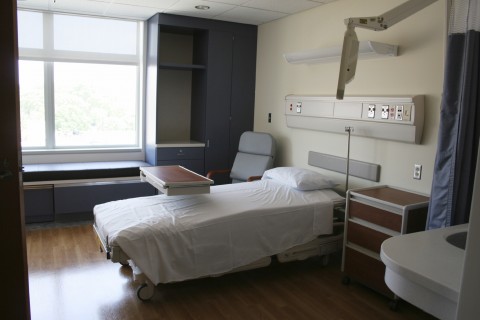
Unexpected situations happen to everyone. Whether you need to visit a hospital, report a lost wallet, speak with the police, or ask about a delayed package, knowing a few practical phrases can help you stay calm and get assistance quickly.
The expressions below cover situations foreign residents commonly encounter.
Essential Vocabulary
| Japanese | Romaji | English |
|---|---|---|
| 病院 | byōin | “Hospital” |
| 薬局 | yakkyoku | “Pharmacy” |
| 医者 | isha | “Doctor” |
| 警察 | keisatsu | “Police” |
| 救急車 | kyūkyūsha | “Ambulance” |
| 財布 | saifu | “Wallet” |
| 落とし物 | otoshimono | “Lost Property” |
| 駅員 | ekiin | “Station Staff” |
| 故障 | koshō | “Malfunction” |
| 地震 | jishin | “Earthquake” |
Essential Emergency Phrases
| Japanese | Romaji | English | When You’ll Use It |
|---|---|---|---|
| 気分が悪いです。 | Kibun ga warui desu. | “I don’t feel well.” | Feeling sick |
| 病院へ行きたいです。 | Byōin e ikitai desu. | “I’d like to go to a hospital.” | Medical care |
| 英語を話せる方はいますか。 | Eigo o hanaseru kata wa imasu ka? | “Does anyone speak English?” | Hospitals, police, customer service |
| 財布をなくしました。 | Saifu o nakushimashita. | “I lost my wallet.” | Police station |
| 警察を呼んでください。 | Keisatsu o yonde kudasai. | “Please call the police.” | Emergency |
| 救急車を呼んでください。 | Kyūkyūsha o yonde kudasai. | “Please call an ambulance.” | Medical emergency |
| これはどういう意味ですか。 | Kore wa dō iu imi desu ka? | “What does this mean?” | Forms or notices |
| 助けてください。 | Tasukete kudasai. | “Please help me.” | Urgent situations |
Example Dialogue at a Hospital
Receptionist:
今日はどうされましたか。
Kyō wa dō saremashita ka?
“What brings you in today?”
You:
気分が悪いです。熱があります。
Kibun ga warui desu. Netsu ga arimasu.
“I don’t feel well. I have a fever.”
Receptionist:
保険証はお持ちですか。
Hokenshō wa omochi desu ka?
“Do you have your health insurance card?”
You:
はい、あります。
Hai, arimasu.
“Yes, here it is.”
Example Dialogue at a Police Box (Koban)
You:
財布をなくしました。
Saifu o nakushimashita.
“I lost my wallet.”
Officer:
どこでなくしましたか。
Doko de nakushimashita ka?
“Where did you lose it?”
You:
駅だと思います。
Eki da to omoimasu.
“I think I lost it at the station.”
Customer Service Problems
| Japanese | Romaji | English |
|---|---|---|
| 壊れています。 | Kowarete imasu. | “It’s broken.” |
| 注文した商品が届いていません。 | Chūmon shita shōhin ga todoite imasen. | “My order hasn’t arrived.” |
| 返品できますか。 | Henpin dekimasu ka? | “Can I return it?” |
| 交換できますか。 | Kōkan dekimasu ka? | “Can I exchange it?” |
| 領収書をお願いします。 | Ryōshūsho o onegaishimasu. | “I’d like a receipt.” |
Moving House & Daily Home Life
Renting an apartment is only the beginning. Once you’ve moved in, you’ll need Japanese for repairs, deliveries, garbage collection, talking to your landlord, and understanding apartment rules.
These situations use practical vocabulary you’ll encounter almost every week.

Essential Vocabulary
| Japanese | Romaji | English |
|---|---|---|
| 家賃 | yachin | “Rent” |
| 大家さん | ōyasan | “Landlord” |
| 管理会社 | kanri gaisha | “Property Management Company” |
| 不動産会社 | fudōsan gaisha | “Real Estate Agency” |
| ゴミ | gomi | “Garbage” |
| ゴミの日 | gomi no hi | “Garbage Collection Day” |
| 燃えるゴミ | moeru gomi | “Burnable Garbage” |
| 燃えないゴミ | moenai gomi | “Non-burnable Garbage” |
| 宅配便 | takkyūbin | “Delivery Service” |
| 修理 | shūri | “Repair” |
| 故障 | koshō | “Malfunction” |
| 鍵 | kagi | “Key” |
Essential Housing Phrases
| Japanese | Romaji | English | When You’ll Use It |
|---|---|---|---|
| 引っ越してきました。 | Hikkoshite kimashita. | “I just moved here.” | Greeting neighbors |
| 家賃はいつ払いますか。 | Yachin wa itsu haraimasu ka? | “When is rent due?” | Landlord |
| エアコンが壊れています。 | Eakon ga kowarete imasu. | “The air conditioner is broken.” | Repairs |
| 修理をお願いできますか。 | Shūri o onegai dekimasu ka? | “Could you arrange a repair?” | Management company |
| ゴミはどこに出せばいいですか。 | Gomi wa doko ni daseba ii desu ka? | “Where should I take the garbage?” | Apartment |
| ゴミの日はいつですか。 | Gomi no hi wa itsu desu ka? | “When is garbage collection?” | Neighbors |
| 宅配便を受け取りたいです。 | Takkyūbin o uketoritai desu. | “I’d like to receive my delivery.” | Delivery company |
| 鍵をなくしました。 | Kagi o nakushimashita. | “I lost my key.” | Emergency |
Example Dialogue with a Landlord
You:
エアコンが壊れています。
Eakon ga kowarete imasu.
“The air conditioner is broken.”
Landlord:
いつからですか。
Itsu kara desu ka?
“Since when?”
You:
昨日から動きません。
Kinō kara ugokimasen.
“It hasn’t worked since yesterday.”
Landlord:
修理業者を手配します。
Shūri gyōsha o tehai shimasu.
“I’ll arrange a repair technician.”

Delivery Phrases
| Japanese | Romaji | English |
|---|---|---|
| 再配達をお願いします。 | Saihaitatsu o onegaishimasu. | “I’d like to schedule a redelivery.” |
| 荷物は届きましたか。 | Nimotsu wa todokimashita ka? | “Has my package arrived?” |
| 時間指定できますか。 | Jikan shitei dekimasu ka? | “Can I choose a delivery time?” |
| 宅配ボックスに入れてください。 | Takuhai bokkusu ni irete kudasai. | “Please leave it in the parcel locker.” |
Common Housing Rules Mistakes
Housing rules vary between municipalities and apartment buildings.
Before moving in:
- Learn your local garbage schedule.
- Report maintenance issues early.
- Contact the management company rather than the landlord when appropriate.
- Read notices posted in shared areas.
Small misunderstandings can usually be avoided by asking a simple question before making assumptions.
How to Learn Practical Japanese Faster
The fastest way to improve is to study the language you’ll actually use. Instead of memorizing unrelated vocabulary, organize your learning around real-life situations.
Tip 1: Study by Situation
Focus on the conversations you’re most likely to have.
| Situation | Learn |
|---|---|
| Immigration | Residence cards, visas |
| City Hall | Address registration |
| Hospital | Symptoms and appointments |
| Banking | Accounts and transfers |
| Housing | Rent, repairs, utilities |
Tip 2: Master High-Frequency Sentence Patterns
Many everyday conversations rely on a handful of useful structures.
〜したいです。
~ shitai desu.
“I’d like to…”
〜をお願いします。
~ o onegaishimasu.
“Please…”
〜はどこですか。
~ wa doko desu ka?
“Where is…?”
必要ですか。
Hitsuyō desu ka?
“Is it necessary?”
わかりません。
Wakarimasen.
“I don’t understand.”
もう一度お願いします。
Mō ichido onegaishimasu.
“Could you repeat that?”
Once you know these patterns, you can combine them with new vocabulary in dozens of situations.
Tip 3: Practice Complete Dialogues
Learning words in isolation is helpful, but practicing short conversations prepares you for real interactions.
Instead of memorizing:
- passport
- application
- residence card
practice exchanges like:
Staff:
パスポートをお願いします。
Pasupōto o onegaishimasu.
“May I see your passport?”
You:
はい、こちらです。
Hai, kochira desu.
“Here you are.”
This builds vocabulary, grammar, and confidence at the same time.
Tip 4: Prepare Before Important Appointments
Review the vocabulary you’ll need before visiting immigration, a hospital, your bank, or city hall. Even 15 minutes of preparation can make a stressful appointment much easier.
Tip 5: Learn with Native Audio
Listening is just as important as reading.
Native-speaker recordings help you:
- Recognize common expressions
- Understand natural speaking speed
- Improve pronunciation
- Build confidence before real conversations
Whenever possible, study with resources that combine vocabulary, dialogues, and audio.
Learn Real-Life Japanese with JapanesePod101
Knowing a few phrases is helpful. Knowing when and how to use them is what builds confidence.
JapanesePod101 teaches practical Japanese through real-life dialogues, native-speaker audio, and structured lesson pathways designed around the situations you’ll actually encounter in Japan. Whether you’re visiting immigration, opening a bank account, speaking with your landlord, or seeing a doctor, you’ll learn the vocabulary and conversation patterns you need before you use them in real life.
With JapanesePod101 you can:
- Learn practical Japanese through real-life conversations
- Build vocabulary with native-speaker audio
- Improve listening skills for everyday situations
- Study at your own pace with structured beginner pathways
- Review lessons with downloadable notes and vocabulary lists
Create your Free JapanesePod101 account.
Which Situation Has Been the Most Challenging?
Was it registering your address? Understanding a letter from city hall? Visiting a hospital? Opening a bank account?
Let us know in the comments. Your experience helps us create practical guides for learners and residents facing the same challenges.
Frequently Asked Questions
Can I live in Japan without speaking Japanese?
Yes. Many people live comfortably in Japan with limited Japanese, especially in larger cities. However, knowing practical Japanese makes government procedures, medical appointments, housing, and daily life much easier.
What Japanese should I learn first after moving to Japan?
Focus on the situations you’ll encounter most often:
- Immigration and visa procedures
- Address registration
- Health insurance and pension
- Banking
- Public transportation
- Medical appointments
- Housing and utilities
Learning by situation is much more effective than memorizing unrelated vocabulary.
Is JLPT N5 enough to live in Japan?
JLPT N5 provides a good foundation, but it doesn’t cover much of the administrative vocabulary used in daily life. Most residents benefit from studying practical Japanese alongside JLPT preparation.
How long does it take to learn survival Japanese?
If you focus on high-frequency vocabulary and real-life conversations, many learners can handle common daily situations within a few months of consistent study. The key is practicing phrases you’ll actually use.