Imagine this.
Your number is called.
You walk up to the immigration counter, hand over your passport, and the officer starts speaking Japanese. You catch one word… then everything else sounds like a blur.
If you’ve ever worried about renewing your period of stay, changing your residence status, or updating your Residence Card in Japan, you’re not alone. Even learners who can comfortably order food or hold simple conversations often feel nervous when dealing with immigration procedures.
The good news is that immigration interactions are surprisingly predictable. Staff members use many of the same questions, instructions, and administrative terms every day. Once you learn the most common vocabulary and phrases, you’ll know what to expect and can communicate much more confidently.
Whether you’re applying for an extension of your period of stay, changing your residence status, or collecting a new Residence Card, this guide will teach you practical Japanese you’ll actually hear and use during immigration procedures.
Table of Contents
Before You Visit the Immigration Office
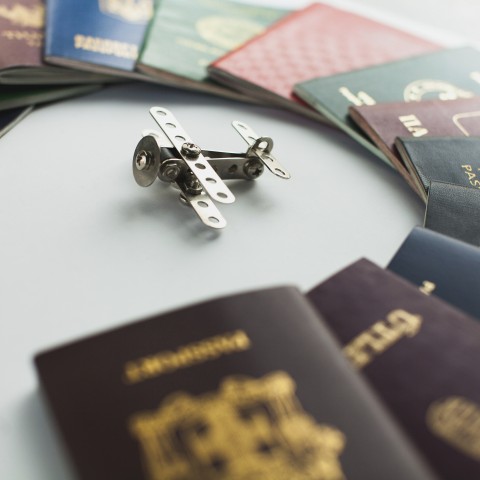
Many foreign residents will deal with Japan’s Immigration Services Agency at some point during their stay, either through its online residence application system or at a regional immigration office. Eligible residence procedures can now be submitted online, although the exact process depends on the application.
Whether you’re extending your period of stay, changing your residence status, or applying for permanent residence, understanding the language used in these procedures can make the experience much less stressful.
Unlike everyday conversations, immigration procedures use formal Japanese that appears repeatedly across different applications. Learning these common expressions beforehand will help you understand instructions more easily and respond with confidence.
Quick Answer: Most immigration procedures involve submitting documents, answering questions, and following instructions from staff. Learning the most common Japanese phrases beforehand can help you understand what’s happening at each stage.
What Procedures Do Foreign Residents Usually Need?
The Immigration Services Agency handles different applications depending on your residence status and personal circumstances. While each procedure has its own requirements, much of the language is surprisingly similar.
Extension of Period of Stay (在留期間更新許可申請, Zairyū kikan kōshin kyoka shinsei)
This is the procedure many foreign residents casually refer to as a “visa renewal.”
Technically, you’re not renewing your visa. If you want to remain in Japan beyond your current authorized period without changing your residence status, you apply for an Extension of Period of Stay.
Common situations include extending your stay under a work, student, spouse, or dependent residence status.
If this is your first renewal, don’t worry. Later in this guide, you’ll learn the phrases you’ll need to explain your purpose, submit documents, ask questions, and understand common instructions.
Change of Status of Residence (在留資格変更許可申請, Zairyū shikaku henkō kyoka shinsei)
Sometimes your circumstances change and you need to change your residence status.
For example, you may be:
- Graduating from university and changing from Student to a work-related status
- Changing from Dependent to a work-related status
- Getting married and changing to a spouse-related status
- Changing to another residence status because the purpose of your stay has changed
These applications may require additional supporting documents. Knowing basic immigration vocabulary makes it much easier to understand what you’re being asked to provide.
Residence Card Updates
Not every immigration procedure involves extending your stay.
You may need to update information on your Residence Card if details such as your name or nationality change. Changes to information other than your residential address are generally handled through the regional Immigration Services Agency office responsible for your area.
Residential address changes are different. Medium- to long-term residents generally report a move at the municipal office for their new address while presenting their Residence Card.
Other Common Immigration Procedures
Depending on your situation, you may also deal with immigration to:
- Apply for permanent residence
- Apply for permission to engage in activities outside your current residence status
- Apply for a re-entry permit
- Replace a lost, stolen, or damaged Residence Card
The requirements are different, but many of the useful phrases in this guide can be reused across these situations.
Why Learning Immigration Vocabulary Reduces Stress
Many Japanese learners spend months practicing how to order food, introduce themselves, or ask for directions. Those are valuable skills, but if you’re living in Japan, practical Japanese for official procedures is just as important.
Immigration staff often use polite, formal language that sounds different from casual beginner Japanese.
For example, instead of:
何ですか?
Nan desu ka?
“What is it?”
you may hear:
ご用件をお伺いします。
Goyōken o oukagai shimasu.
“How may I help you today?”
The wording is more formal, but you don’t need to understand every word.
Recognizing a few key expressions allows you to:
- Understand what staff are asking you to do
- Identify which documents they’re requesting
- Ask simple follow-up questions politely
- Follow instructions more confidently
- Reduce misunderstandings
Listening practice is particularly valuable because official conversations happen at a natural speaking speed. Hearing complete phrases in context makes them much easier to recognize when you encounter them in real life.
Pro Tip
Don’t aim to understand every sentence.
If you can recognize important keywords such as:
申請
shinsei
“application”
更新
kōshin
“extension / renewal”
必要書類
hitsuyō shorui
“required documents”
在留カード
zairyū kādo
“Residence Card”
you can often understand what the officer needs even if you miss some of the surrounding language.
Immigration Documents You’ll See
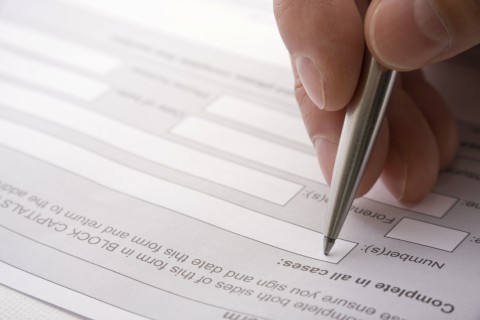
One of the most intimidating parts of immigration isn’t the conversation. It’s the paperwork.
Application forms contain formal vocabulary that isn’t usually emphasized in beginner Japanese. Fortunately, you don’t need to understand every kanji. Recognizing the most common terms on forms, signs, and documents can make the process much easier.
Residence Card (在留カード, Zairyū kādo)
Your Residence Card (在留カード, Zairyū kādo) is one of the most important documents you’ll use while living in Japan.
For many immigration procedures, staff may ask to see both your passport and your Residence Card.
You may hear:
在留カードを見せてください。
Zairyū kādo o misete kudasai.
“Please show me your Residence Card.”
Or:
在留カードをお持ちですか。
Zairyū kādo o omochi desu ka?
“Do you have your Residence Card with you?”
Recognizing these phrases immediately can make the interaction much smoother.
Application for Extension of Period of Stay (在留期間更新許可申請, Zairyū kikan kōshin kyoka shinsei)
This application is used when you want to continue staying in Japan beyond your current authorized period without changing your residence status. This is what people often mean when they casually say they’re “renewing their visa.”
You’ll frequently encounter vocabulary like this:
| Japanese | Reading | English |
|---|---|---|
| 在留期間 | ざいりゅうきかん | “period of stay” |
| 更新 | こうしん | “extension / renewal” |
| 申請 | しんせい | “application” |
| 必要書類 | ひつようしょるい | “required documents” |
| 提出 | ていしゅつ | “submission” |
Application forms may also ask for information such as your:
- Current address
- Employer or school
- Passport number
- Residence Card number
- Telephone number
- Contact information
You don’t need to read every character fluently. Recognizing high-frequency terms such as 申請 (shinsei, “application”), 更新 (kōshin, “extension/renewal”), and 必要書類 (hitsuyō shorui, “required documents”) will make administrative paperwork much less intimidating.
Application for Change of Status of Residence (在留資格変更許可申請, Zairyū shikaku henkō kyoka shinsei)
If you’re changing your residence status rather than extending your current one, you’ll use a different procedure.
Depending on your circumstances, supporting documents may relate to:
- Employment
- Salary or income
- University enrollment
- Family relationships
- Certificates
- Tax information
- Other evidence supporting the application
You’ll also want to know how to ask:
- Which documents are required?
- Is anything missing?
- Do I need to submit anything else?
You’ll learn those phrases below.
Don’t Try to Read Everything
One common mistake is believing you need to understand every word on every form.
Instead, focus on recognizing the most common immigration vocabulary. Once you can quickly identify words such as Residence Card, application, extension, required documents, and submission, you’ll be able to navigate paperwork more confidently even when some of the surrounding Japanese is unfamiliar.
40 Essential Japanese Immigration Phrases
For an in-person immigration visit, conversations often follow a predictable sequence.
You arrive, find the appropriate counter, explain why you’re there, show your documents, ask questions, receive instructions, and later follow whatever collection or notification procedure applies to your application.
Rather than memorizing random vocabulary, learn the phrases you’ll actually use during those stages. Graziana’s original article organizes the 40 phrases around exactly this practical progression.
Arriving at the Immigration Office: 5 Phrases

| # | Japanese | Romanization | English |
|---|---|---|---|
| 1 | 受付はどこですか。 | Uketsuke wa doko desu ka? | “Where is the reception desk?” |
| 2 | 何番の窓口ですか。 | Nanban no madoguchi desu ka? | “Which counter should I go to?” |
| 3 | 番号札を取ればいいですか。 | Bangōfuda o toreba ii desu ka? | “Should I take a number?” |
| 4 | どこで待てばいいですか。 | Doko de mateba ii desu ka? | “Where should I wait?” |
| 5 | お願いします。 | Onegaishimasu. | “Please. / Thank you in advance.” |
Good to Know:
The pattern 〜ばいいですか (~ba ii desu ka) is a useful way to ask what you should do. You’ll see it again in questions such as どこに書けばいいですか (Doko ni kakeba ii desu ka?, “Where should I write?”).
お願いします。
Onegaishimasu.
is also highly versatile. You’ll hear and use it when requesting assistance, handing something over, or politely asking someone to do something.
Explaining Why You’re Visiting: 8 Phrases
| # | Japanese | Romanization | English |
|---|---|---|---|
| 6 | 在留期間を更新したいです。 | Zairyū kikan o kōshin shitai desu. | “I’d like to extend my period of stay.” |
| 7 | 在留資格を変更したいです。 | Zairyū shikaku o henkō shitai desu. | “I’d like to change my residence status.” |
| 8 | ビザを更新したいです。 | Biza o kōshin shitai desu. | “I’d like to renew my visa.” |
| 9 | この申請をしたいのですが。 | Kono shinsei o shitai no desu ga. | “I’d like to apply for this.” |
| 10 | 初めて申請します。 | Hajimete shinsei shimasu. | “This is my first application.” |
| 11 | 更新の手続きについて教えてください。 | Kōshin no tetsuzuki ni tsuite oshiete kudasai. | “Could you explain the renewal procedure?” |
| 12 | 予約があります。 | Yoyaku ga arimasu. | “I have an appointment.” |
| 13 | 予約はありません。 | Yoyaku wa arimasen. | “I don’t have an appointment.” |
Phrase 6 is the more precise way to describe an application to extend your current authorized period of stay.
Phrase 8 is understandable in everyday conversation, but immigration terminology will generally refer to your 在留期間 (zairyū kikan, “period of stay”) rather than simply calling the procedure a visa renewal.
Submitting Your Documents: 8 Phrases
| # | Japanese | Romanization | English |
|---|---|---|---|
| 14 | パスポートはこちらです。 | Pasupōto wa kochira desu. | “Here’s my passport.” |
| 15 | 在留カードはこちらです。 | Zairyū kādo wa kochira desu. | “Here’s my Residence Card.” |
| 16 | 必要な書類を持ってきました。 | Hitsuyō na shorui o motte kimashita. | “I brought the required documents.” |
| 17 | こちらです。 | Kochira desu. | “Here you are.” |
| 18 | コピーもあります。 | Kopī mo arimasu. | “I also have copies.” |
| 19 | 原本はこちらです。 | Genpon wa kochira desu. | “Here’s the original document.” |
| 20 | 足りない書類はありますか。 | Tarinai shorui wa arimasu ka? | “Are any documents missing?” |
| 21 | これで全部ですか。 | Kore de zenbu desu ka? | “Is that everything?” |
Phrase 20 is especially useful because it lets you confirm whether additional paperwork is required.
Asking Questions: 8 Phrases
| # | Japanese | Romanization | English |
|---|---|---|---|
| 22 | どの書類が必要ですか。 | Dono shorui ga hitsuyō desu ka? | “Which documents are required?” |
| 23 | これは何ですか。 | Kore wa nan desu ka? | “What is this?” |
| 24 | どこに書けばいいですか。 | Doko ni kakeba ii desu ka? | “Where should I write?” |
| 25 | ここに署名すればいいですか。 | Koko ni shomei sureba ii desu ka? | “Should I sign here?” |
| 26 | もう一度お願いします。 | Mō ichido onegaishimasu. | “Could you say that one more time?” |
| 27 | ゆっくり話してください。 | Yukkuri hanashite kudasai. | “Could you speak more slowly?” |
| 28 | 英語で話しても大丈夫ですか。 | Eigo de hanashite mo daijōbu desu ka? | “Is it okay if I speak English?” |
| 29 | すみません、よくわかりません。 | Sumimasen, yoku wakarimasen. | “I’m sorry, I don’t understand very well.” |
Don’t be afraid to use もう一度お願いします (Mō ichido onegaishimasu) or すみません、よくわかりません (Sumimasen, yoku wakarimasen).
Asking for clarification is much safer than guessing when someone is explaining an important administrative requirement.
Receiving Instructions: 6 Phrases
These are phrases you’re more likely to hear from staff.
| # | Japanese | Romanization | English |
|---|---|---|---|
| 30 | 少々お待ちください。 | Shōshō omachi kudasai. | “Please wait a moment.” |
| 31 | こちらに記入してください。 | Kochira ni kinyū shite kudasai. | “Please fill this out here.” |
| 32 | この書類が必要です。 | Kono shorui ga hitsuyō desu. | “This document is required.” |
| 33 | 追加の書類が必要です。 | Tsuika no shorui ga hitsuyō desu. | “Additional documents are required.” |
| 34 | 審査結果が出たら連絡します。 | Shinsa kekka ga detara renraku shimasu. | “We’ll contact you when the review result is ready.” |
| 35 | この控えを保管してください。 | Kono hikae o hokan shite kudasai. | “Please keep this copy/receipt.” |
Good to Know:
少々お待ちください。
Shōshō omachi kudasai.
“Please wait a moment.”
You’ll likely hear this several times during your appointment while staff review your paperwork.
If you hear:
追加の書類が必要です。
Tsuika no shorui ga hitsuyō desu.
“Additional documents are required.”
don’t immediately assume your application has been rejected. The important next step is to ask which documents are required and how they should be submitted.
Receiving Your New Residence Card: 5 Phrases
When your application is approved, follow the instructions you receive about how and where to receive your new Residence Card.
| # | Japanese | Romanization | English |
|---|---|---|---|
| 36 | 受け取りに来ました。 | Uketori ni kimashita. | “I’m here to collect it.” |
| 37 | 受け取れますか。 | Uketoremasu ka? | “Can I receive it now?” |
| 38 | 次は何をすればいいですか。 | Tsugi wa nani o sureba ii desu ka? | “What should I do next?” |
| 39 | ありがとうございました。 | Arigatō gozaimashita. | “Thank you very much.” |
| 40 | お世話になりました。 | Osewa ni narimashita. | “Thank you for your help.” |
Practice Tip: Learn the Conversation, Not Just the List
Reading the 40 phrases is a good first step, but real immigration conversations happen at a natural speed and use polite Japanese that can be difficult to catch the first time.
Instead of trying to memorize every sentence separately, focus on recognizing key words and repeated expressions.
One useful technique is shadowing: listen to a sentence and immediately repeat it aloud. This trains your ear to recognize familiar expressions when they’re spoken naturally.
Now let’s see how these phrases can work together.
Example Dialogue: Extending Your Period of Stay

Imagine you’ve arrived at an immigration office for an application related to an Extension of Period of Stay.
Resident:
すみません。在留期間を更新したいです。
Sumimasen. Zairyū kikan o kōshin shitai desu.
“Excuse me. I’d like to extend my period of stay.”
Immigration Officer:
更新の申請ですね。パスポートと在留カードを見せてください。
Kōshin no shinsei desu ne. Pasupōto to zairyū kādo o misete kudasai.
“You’re applying for an extension. Please show me your passport and Residence Card.”
Resident:
こちらです。
Kochira desu.
“Here you are.”
Immigration Officer:
申請書はお持ちですか。
Shinseisho wa omochi desu ka?
“Do you have your application form?”
Resident:
はい。必要な書類もあります。
Hai. Hitsuyō na shorui mo arimasu.
“Yes. I also have the required documents.”
Immigration Officer:
ありがとうございます。少々お待ちください。
Arigatō gozaimasu. Shōshō omachi kudasai.
“Thank you. Please wait a moment.”
Immigration Officer:
審査結果が出たら連絡します。
Shinsa kekka ga detara renraku shimasu.
“We’ll contact you when the review result is ready.”
Resident:
ありがとうございます。
Arigatō gozaimasu.
“Thank you very much.”
Example Dialogue: Additional Documents Are Needed
Sometimes an additional document is required.
Immigration Officer:
確認しますので、少々お待ちください。
Kakunin shimasu node, shōshō omachi kudasai.
“I’ll check your application, so please wait a moment.”
Immigration Officer:
追加の書類が必要です。
Tsuika no shorui ga hitsuyō desu.
“We need an additional document.”
Resident:
どの書類が必要ですか。
Dono shorui ga hitsuyō desu ka?
“Which document do you need?”
Immigration Officer:
会社からの在職証明書を提出してください。
Kaisha kara no zaishoku shōmeisho o teishutsu shite kudasai.
“Please submit a certificate of employment from your company.”
Resident:
コピーでも大丈夫ですか。
Kopī demo daijōbu desu ka?
“Is a copy okay?”
Immigration Officer:
はい、大丈夫です。
Hai, daijōbu desu.
“Yes, that’s fine.”
Resident:
いつまでに提出すればいいですか。
Itsu made ni teishutsu sureba ii desu ka?
“By when should I submit it?”
Being able to ask that last question is much more useful than trying to predict every possible document request in advance.
Immigration Vocabulary Cheat Sheet
Graziana’s original article includes a broad vocabulary review covering documents, procedures, office terminology, forms, and supporting certificates.
| Japanese | Romanization | English | Category |
|---|---|---|---|
| 在留カード | Zairyū kādo | “Residence Card” | Documents |
| パスポート | Pasupōto | “passport” | Documents |
| 在留期間 | Zairyū kikan | “period of stay” | Residence Status |
| 在留資格 | Zairyū shikaku | “status of residence” | Residence Status |
| 更新 | Kōshin | “extension / renewal” | Procedures |
| 変更 | Henkō | “change” | Procedures |
| 申請 | Shinsei | “application” | Procedures |
| 申請書 | Shinseisho | “application form” | Documents |
| 必要書類 | Hitsuyō shorui | “required documents” | Documents |
| 追加書類 | Tsuika shorui | “additional documents” | Documents |
| 提出 | Teishutsu | “submission” | Procedures |
| 確認 | Kakunin | “confirmation / check” | Procedures |
| 受付 | Uketsuke | “reception” | Office |
| 窓口 | Madoguchi | “service counter” | Office |
| 番号札 | Bangōfuda | “number ticket” | Office |
| 記入 | Kinyū | “fill in” | Forms |
| 署名 | Shomei | “signature” | Forms |
| 印鑑 | Inkan | “personal seal” | Forms |
| 写真 | Shashin | “photograph” | Documents |
| 控え | Hikae | “copy / receipt” | Documents |
| 結果 | Kekka | “result” | Procedures |
| 交付 | Kōfu | “issuance” | Procedures |
| 通知 | Tsūchi | “notification” | Procedures |
| 証明書 | Shōmeisho | “certificate” | Documents |
| 在職証明書 | Zaishoku shōmeisho | “certificate of employment” | Documents |
| 納税証明書 | Nōzei shōmeisho | “tax certificate” | Documents |
| 所得証明書 | Shotoku shōmeisho | “income certificate” | Documents |
| 会社 | Kaisha | “company” | General |
| 学校 | Gakkō | “school” | General |
| 更新許可 | Kōshin kyoka | “permission to extend” | Procedures |
Common Signs You’ll See at Immigration
Even before speaking to anyone, recognizing a few signs can make an unfamiliar immigration office much easier to navigate.
| Japanese | Romanization | English |
|---|---|---|
| 受付 | Uketsuke | “Reception” |
| 申請 | Shinsei | “Applications” |
| 交付 | Kōfu | “Collection / Issuance” |
| 番号札 | Bangōfuda | “Number Tickets” |
| 待合室 | Machiaishitsu | “Waiting Area” |
| 相談 | Sōdan | “Consultation” |
| 入口 | Iriguchi | “Entrance” |
| 出口 | Deguchi | “Exit” |
| 窓口 | Madoguchi | “Service Counter” |
| トイレ | Toire | “Restroom” |
| 呼出番号 | Yobidashi bangō | “Number Being Called” |
| 記入台 | Kinyūdai | “Writing Desk” |
Learn to Recognize, Not Translate
You don’t need to read every kanji fluently before your appointment.
Train yourself to recognize high-frequency words such as:
受付
uketsuke
申請
shinsei
窓口
madoguchi
Once those words become familiar, your brain can focus on the overall situation instead of trying to translate every character individually.
Common Mistakes Foreign Residents Make at Immigration
Even if you’ve prepared your paperwork, small language misunderstandings can make immigration procedures more stressful than necessary.
Mistake 1: Thinking You’re Renewing Your Residence Card
For most people casually talking about a “visa renewal,” the actual procedure is an Extension of Period of Stay (在留期間更新許可申請, Zairyū kikan kōshin kyoka shinsei). If the application is approved, an updated Residence Card may then be issued as part of the procedure.
That distinction makes official terminology much easier to understand.
Mistake 2: Memorizing Vocabulary Without Listening Practice
Recognizing a word on paper is different from understanding it when someone says it naturally.
Instead of only memorizing individual terms, practice complete sentences and repeat them aloud.
For example, don’t only memorize:
申請
shinsei
“application”
Practice:
更新の申請ですね。
Kōshin no shinsei desu ne.
“You’re applying for an extension.”
Mistake 3: Assuming the Same Documents Apply to Everyone
Required documents depend on the residence status and procedure.
Instead of relying on one generic checklist, check the current official requirements for your application and remember this question:
どの書類が必要ですか。
Dono shorui ga hitsuyō desu ka?
“Which documents are required?”
Mistake 4: Being Afraid to Ask Questions
You don’t need perfect Japanese.
Even simple questions such as:
どの書類が必要ですか。
Dono shorui ga hitsuyō desu ka?
“Which documents are required?”
or:
ゆっくり話してください。
Yukkuri hanashite kudasai.
“Could you speak more slowly?”
can help prevent misunderstandings.
If you’re not sure what someone said, asking for clarification is always better than guessing.
Quick Checklist Before an Appointment
For the language side of an in-person appointment, make sure you can:
- Explain why you’re there
- Say 在留期間 (zairyū kikan, “period of stay”) and 在留資格 (zairyū shikaku, “status of residence”)
- Ask which documents are required
- Ask whether something is missing
- Ask where to write or sign
- Ask someone to repeat themselves
- Ask someone to speak more slowly
- Understand basic instructions such as 少々お待ちください (shōshō omachi kudasai, “please wait a moment”)
- Ask what happens next
For the administrative side, always check the latest official instructions for your specific procedure, since application methods and supporting documents vary. Japan also provides online residence application options for eligible procedures.
Practice Immigration Conversations with JapanesePod101
Learning the right phrases is an excellent first step, but the real challenge is recognizing them when they’re spoken naturally.
The more often you hear practical Japanese in context, the more confident you’ll feel during immigration appointments and other real-life administrative situations.
Learn Japanese You’ll Actually Use
Living in Japan means handling everyday situations such as:
- Immigration procedures
- City hall visits
- Banking
- Healthcare
- Housing
- Deliveries
- Work
- Government paperwork
Many of the same core patterns appear again and again.
For example:
~したいです。
…shitai desu.
“I’d like to…”
~が必要ですか。
…ga hitsuyō desu ka?
“Do I need…?”
~してください。
…shite kudasai.
“Please…”
~すればいいですか。
…sureba ii desu ka?
“What should I do…?”
Once those patterns become familiar, you’ll be able to adapt them to many different situations.
Build Confidence Through Listening
Instead of simply memorizing:
申請 = “application”
practice hearing it in a complete sentence:
更新の申請ですね。
Kōshin no shinsei desu ne.
“You’re applying for an extension.”
Over time, you’ll begin recognizing important words automatically rather than translating them one by one.
Study Smarter, Not Harder
You don’t need to memorize all 40 phrases before your appointment.
Try this instead:
- Choose five phrases you’re likely to need.
- Read them aloud.
- Listen for the same sentence patterns in natural Japanese.
- Practice a short dialogue.
- Review them again before your appointment.
A small group of phrases you can actually recognize and use is much more valuable than a long list you’ve only read once.
Frequently Asked Questions
What Japanese should I know before renewing my period of stay?
Focus on the Japanese you’ll actually use during the procedure:
- Explaining why you’re applying
- Submitting documents
- Asking simple questions
- Understanding instructions
- Dates and numbers
- Common immigration vocabulary
The 40 phrases in this guide cover the core expressions you’re likely to find useful.
How do you say “Residence Card” in Japanese?
在留カード
Zairyū kādo
“Residence Card”
This is one of the most important terms to recognize when dealing with immigration procedures.
Can I handle immigration procedures if I don’t speak much Japanese?
You don’t need advanced Japanese to use basic phrases effectively.
Knowing how to explain your purpose, ask which documents are required, request clarification, and understand simple instructions can make the process much easier.
Some procedures can also be completed online through the Immigration Services Agency’s residence application system.
What’s the difference between 在留カード (Zairyū kādo) and 在留期間 (Zairyū kikan)?
在留カード
Zairyū kādo
“Residence Card”
is the physical card issued to eligible medium- to long-term residents.
在留期間
zairyū kikan
“period of stay”
refers to the period during which you’re authorized to stay in Japan under your current residence status.
When people casually say they’re “renewing their visa,” they’re often talking about applying to extend this authorized period of stay.
Where do I report a change of address?
For medium- to long-term residents, a change of residential address is generally reported at the municipal office for the new address while presenting the Residence Card.
This is different from certain changes to other information recorded on the Residence Card, which are handled through immigration.
Do I need to make an appointment to visit immigration?
Requirements can vary according to the office and procedure.
Check the current instructions for the specific application and regional office you’re dealing with rather than assuming that every procedure works the same way.
What documents should I bring?
The required documents depend on your residence status and application.
Commonly relevant documents can include your passport, Residence Card, application form, and supporting evidence connected to your particular application, but always check the current official requirements rather than relying on a general list.
What happens if immigration asks for additional documents?
Ask exactly what is required and how and when it needs to be submitted.
Useful phrases include:
どの書類が必要ですか。
Dono shorui ga hitsuyō desu ka?
“Which document is required?”
いつまでに提出すればいいですか。
Itsu made ni teishutsu sureba ii desu ka?
“By when should I submit it?”
Final Thoughts
Japanese immigration vocabulary can feel intimidating because it’s formal, administrative, and different from the Japanese you hear in casual conversation.
But you don’t need perfect Japanese.
Start with:
在留期間を更新したいです。
Zairyū kikan o kōshin shitai desu.
“I’d like to extend my period of stay.”
Then learn:
どの書類が必要ですか。
Dono shorui ga hitsuyō desu ka?
“Which documents are required?”
足りない書類はありますか。
Tarinai shorui wa arimasu ka?
“Are any documents missing?”
もう一度お願いします。
Mō ichido onegaishimasu.
“Could you say that one more time?”
次は何をすればいいですか。
Tsugi wa nani o sureba ii desu ka?
“What should I do next?”
Those few patterns will take you a long way.
When you’re ready to keep building practical Japanese through dialogues, vocabulary, and listening practice, start learning real-life Japanese with JapanesePod101.