Learning Japanese is not only about grammar and vocabulary. It is also about understanding the fixed expressions people use to add humor, emphasis, and nuance. In Japanese, that world includes idioms, proverbs, and other set phrases, so idioms and sayings is the clearest umbrella term for travelers. Kotobank defines 慣用句 broadly as fixed expressions whose overall meaning is not simply literal, and many Japanese examples use vivid imagery.
Why It Matters

Figurative expressions often sound strange if you translate them word for word, but they tell you what speakers really mean. Japanese has many memorable expressions involving the body, animals, and everyday images, which is one reason they stand out so strongly in conversation and media.
A Bit of Cultural Background
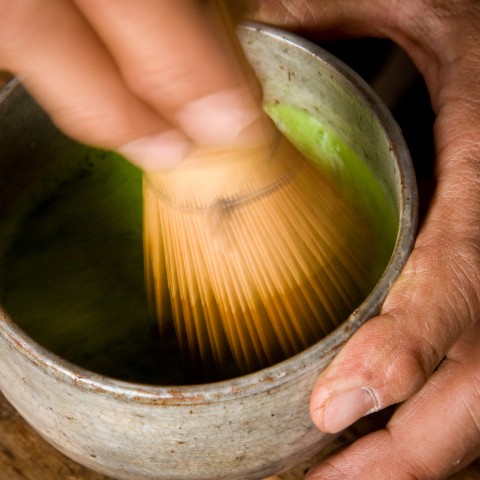
Not all expressions come from the same source. Some come from everyday speech, while others reflect older cultural traditions. 一期一会, for example, began as a tea-ceremony term about treating each meeting as unique and later broadened into a more general expression about treasuring encounters.
What Travelers Should Expect
You probably will not hear proverbs in every conversation, and you do not need to force them into your own speech. The more practical goal is recognition. Expressions like 腹が立つ, 耳が痛い, and 顔が広い are useful to understand because they describe everyday feelings and social relationships, while a phrase like 一期一会 can feel more reflective or cultural. That last point is an inference from its tea-ceremony origin and broader meaning today.
Essential Expressions

Here are some classic Japanese idioms.
- 猿も木から落ちる (Saru mo ki kara ochiru) — “Even monkeys fall from trees.” Even experts make mistakes.
- 猫に小判 (Neko ni koban) — “Gold coins to a cat.” Giving something valuable to someone who does not appreciate its worth.
- 顔が広い (Kao ga hiroi) — To know many people; to be well-connected.
- 耳が痛い (Mimi ga itai) — Hard to hear because it is true and hits close to home.
- 十人十色 (Jūnintoiro) — “Ten people, ten colors.” Different people have different tastes or personalities.
- 一期一会 (Ichigoichie) — A once-in-a-lifetime encounter; treasure the moment.
- 水に流す (Mizu ni nagasu) — To let bygones be bygones.
- 〜に目がない (… ni me ga nai) — To have a weakness for something. This is usually used with the thing someone loves, as in 甘いものに目がない (“I have a weakness for sweets”).
Useful Phrases
- その表現はどういう意味ですか? (Sono hyōgen wa dou iu imi desu ka?) — What does that expression mean?
- それは耳が痛いですね。 (Sore wa mimi ga itai desu ne.) — That is hard to hear, but true.
- 猿も木から落ちると言いますから、気にしないでください。 (Saru mo ki kara ochiru to iimasu kara, ki ni shinaide kudasai.) — Even monkeys fall from trees, so please do not worry about it.
Final Thought
The safest and most natural way to use Japanese idioms is to start by recognizing them, not by forcing them into every conversation. Once you understand a handful of common expressions, spoken Japanese becomes much easier to follow. If you want to reinforce what you notice in comics with guided lessons, JapanesePod101 offers audio and video lessons, lesson materials, and vocabulary tools that can complement your reading practice.