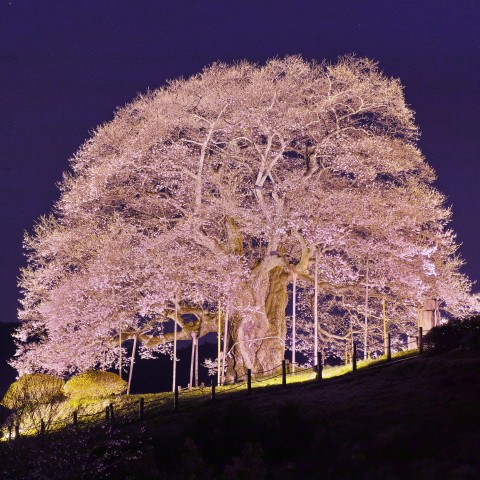
You’re in Japan, standing before a beautiful, serene entrance. You want to go in, but a dozen questions flash through your mind. Is this a shrine or a temple? What am I supposed to do? Am I going to accidentally do something disrespectful?
Don’t worry—we’ve all been there. Visiting shrines and temples is a highlight of any trip to Japan, and a little knowledge goes a long way. This guide will give you the confidence to walk through those gates, participate respectfully, and use the Japanese you’ll actually need once you’re inside.
Shrine or Temple? A Quick Visual Guide
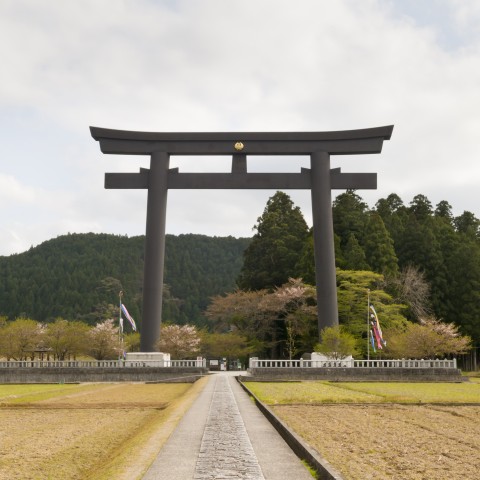
Forget the long history lessons. You can usually tell a Shinto shrine from a Buddhist temple in seconds just by looking at the entrance. Here’s your cheat sheet.
The Gate
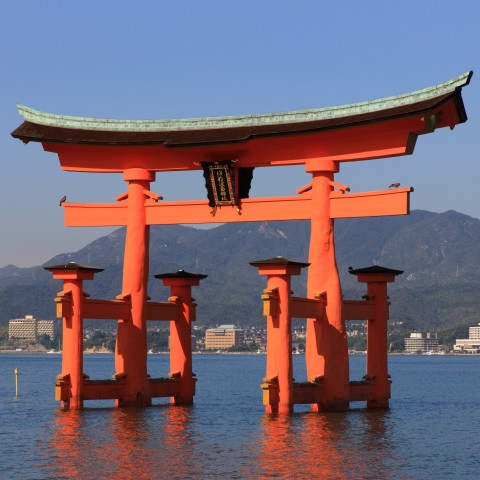
- Shrine: Look for a torii (鳥居), a simple, often red or orange gate, usually made of two upright pillars and two horizontal crossbars. This marks the entrance to a sacred Shinto space.
- Temple: Look for a temple gate such as a sanmon (三門), which may be larger and more ornate and may resemble a two-story building with a heavy tiled roof.
The Guardians
- Shrine: Guarded by a pair of komainu (狛犬), stone lion-dog statues that ward off evil spirits. One usually has its mouth open, the other closed.
- Temple: Often guarded by two fierce-looking niō (仁王) statues, muscular wrestler-like figures, housed within the sanmon gate itself.
The Name
- Shrine: Shrine names often include jinja (神社), taisha (大社), or jingū (神宮), as in Fushimi Inari Taisha or Meiji Jingū.
- Temple: Temple names often end in -tera or -dera (寺), like Kiyomizu-dera, or include -ji (寺), like Kinkaku-ji.
The Golden Rule
When in doubt, remember this: you generally clap at a shrine but not at a Buddhist temple. More on that in a moment.
Step-by-Step: What to Do When You Arrive
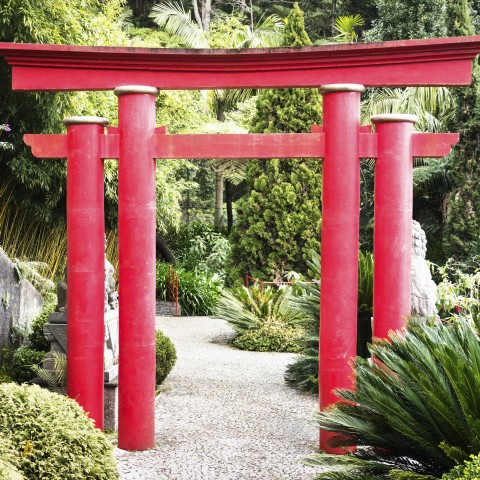
Once you know the steps, the whole process feels natural. This sequence will guide you from the entrance to the main hall for a smooth, meaningful visit.
- The Entrance: Before you pass through the torii or sanmon gate, stop and perform a slight, respectful bow. This signals that you are entering a sacred space.
- The Path: At many Shinto shrines, the center path, called the seichū (正中), is traditionally considered the path of the kami (gods). Rather than entering through the middle of the torii gate, visitors should generally pass through to one side and follow any posted guidance.
- Purification: Near the entrance, you’ll usually find a water pavilion called a temizuya (手水舎) for ritual purification. Don’t skip this as it’s an important part of the experience. Here’s how to do it:
- Pick up one of the long-handled ladles, called a hishaku (柄杓), with your right hand and fill it with fresh water.
- Pour some water over your left hand to rinse it.
- Switch the ladle to your clean left hand and pour water over your right hand.
- Switch the ladle back to your right hand. Pour a little water into your cupped left hand and use it to rinse your mouth. Do not drink directly from the ladle or spit the water back into the basin. Spit the water discreetly into the drainage area beside the basin.
- Finally, hold the ladle vertically, allowing the remaining water to run down and cleanse the handle. Place it back where you found it.
- Prayer: This is where the two traditions diverge the most: how you actually pray.
- At a Shinto Shrine: When you reach the main hall, there will likely be an offering box. You can toss a coin in (a five-yen coin is considered lucky). Then, at most shrines, follow the “two-two-one” rule. Bow deeply twice, clap your hands twice, say your prayer silently, and then perform one final deep bow. Some shrines have different customs, so follow any posted instructions.
- At a Buddhist Temple: At the main hall, you can make an offering if you wish. Then, bow once, press your palms together in front of your chest for a silent prayer (this is called gasshō / 合掌), and bow again when you are finished. No clapping.
Phrases You’ll Actually Use During Your Visit
You don’t need to be fluent to navigate a shrine or temple smoothly. A simple greeting is a good way to start any interaction with a staff member, Shinto priest, or Buddhist monk. Choose the right one based on the time of day.
- In the morning:
おはようございます (Ohayō gozaimasu) or the more casual おはよう (Ohayō) (“Good morning”). - During the day:
こんにちは (Konnichiwa) (“Hello” or “Good day”).
This is your all-purpose greeting for most situations. - In the evening:
こんばんは (Konbanwa) (“Good evening”).
Perfect for late visits or special lantern festivals.
Beyond greetings, here are the phrases you’re actually likely to need once you’re inside the grounds:
- Asking to take a photo:
ここで写真を撮ってもいいですか。 (Koko de shashin o totte mo ii desu ka.) — “Is it okay to take a photo here?”
Here’s how that might actually play out:
You: ここで写真を撮ってもいいですか。 (Koko de shashin o totte mo ii desu ka.)
Staff: はい、ここなら大丈夫ですよ。 (Hai, koko nara daijōbu desu yo.) — “Yes, this spot is fine.” - Asking the price of a charm or talisman: これはいくらですか。 (Kore wa ikura desu ka.) — “How much is this?” (Point at the omamori / お守り you’re interested in.)
A typical exchange at the shrine shop:
You: これはいくらですか。 (Kore wa ikura desu ka.)
Staff: 五百円です。 (Gohyaku en desu.) — “That’s 500 yen.” - Asking what an ema or omikuji means:
これはどういう意味ですか。 (Kore wa dō iu imi desu ka.) — “What does this mean?” (Useful when you’re looking at a wooden ema / 絵馬 plaque or have just drawn an omikuji / おみくじ fortune.) - Asking where the purification fountain is:
手水舎はどこですか。 (Temizuya wa doko desu ka.) — “Where is the purification fountain?” - Asking if an area is open to visitors:
ここに入ってもいいですか。 (Koko ni haitte mo ii desu ka.) — “Is it okay to enter here?”
Handy for quiet corners or buildings where you’re not sure if visitors are welcome.
If a priest or monk performs a blessing for you or answers a question, a simple thank-you goes a long way:
- ありがとうございました。 (Arigatō gozaimashita.) — “Thank you very much.”
For a blessing specifically, you can say:
ご祈祷ありがとうございました。 (Gokitō arigatō gozaimashita.) — “Thank you for the blessing.”
These few phrases cover the vast majority of real interactions you’ll have on the grounds—no need to memorize long introductions you’ll likely never use.
Common Etiquette Mistakes Travelers Make (and How to Avoid Them)
Worried about getting something wrong once you’re inside? Most staff and visitors are very forgiving of tourists. That said, avoiding these common missteps will show an extra level of respect.
- Taking Photos in Restricted Areas: Many shrines and temples, especially inside the main halls, prohibit photography. Look for signs with a camera crossed out. When in doubt, it’s always best to ask first (see the phrase above) or simply put your camera away.
- Talking Loudly: These are active places of worship. Keep your voice down, especially near the main altar and prayer areas. Turn your phone to silent.
- Eating and Drinking: While some larger complexes have designated rest areas or food stalls, you should not eat or drink while walking around the sacred grounds.
- Mixing Up Prayer Styles: This is the most common one! Remember the general rule: clap at a shrine; pray silently with your palms together at a temple.
- Stepping on the Threshold: When entering a temple building or passing through a gate, avoid stepping directly on the wooden or stone threshold. Step over it. These thresholds are considered to separate the sacred from the profane.
A Quick Note on Why They Feel Different
Shrines (jinja, 神社) are rooted in Shinto and honor kami (神), sacred beings or presences. Buddhist temples (tera, 寺) follow Buddhist traditions, where visitors generally pray quietly with their palms together in gasshō. Many Japanese people visit both without contradiction—a shrine for a New Year’s blessing, a temple for ancestral rites—since the two traditions have coexisted for centuries.
Quick Reference: Shrine and Temple Vocabulary
| Term | Reading | Meaning |
|---|---|---|
| 鳥居 | torii | Shrine gate marking the entrance to sacred ground |
| 三門 | sanmon | Large temple gate, often two stories |
| 狛犬 | komainu | Stone lion-dog guardian statues at shrines |
| 仁王 | niō | Fierce guardian statues housed in a temple’s sanmon gate |
| 手水舎 | temizuya | Water pavilion for ritual purification |
| 柄杓 | hishaku | Long-handled ladle used at the temizuya |
| 合掌 | gasshō | Pressing palms together in silent prayer at a temple |
| 神社 | jinja | Shinto shrine |
| 寺 | tera / –ji / –dera | Buddhist temple |
| お守り | omamori | Protective charm or talisman |
| 絵馬 | ema | Wooden plaque on which visitors write wishes |
| おみくじ | omikuji | Paper fortune drawn at shrines and temples |
Try It: Test Yourself
You walk up to a red gate flanked by two stone lion-dog statues, one with its mouth open and one closed. Before you go further:
- Is this a shrine or a temple? How do you know?
- Once you’re at the main hall, what do you do—clap, or press your palms together silently?
- A priest steps over to help you. What do you say to greet them, and what do you say afterward to thank them?
If you can answer all three without peeking back at the guide, you’re ready for your visit.
Keep Learning with JapanesePod101
Want to learn more about Japan’s temples? Advanced learners can explore Secrets of Japanese Temples, an audio lesson about Yakushiji Temple, its history, and its architecture.
To continue building practical Japanese for your trip, try Even If You Book Your Japanese Travel at the Last Minute, You May Still Get a Deal. Through a travel-agency dialogue, you’ll learn useful travel vocabulary and how to use ~ても (temo) to mean “even if” or “even though.”