
Are you tired of staring at dry textbook dialogues that put you to sleep? If your goal is to absorb the Japanese language the way native speakers do—through immersion, entertainment, and authentic media—it’s time to rethink your study routine. Learning a language shouldn’t feel like a chore; it should feel like an adventure.
One of the most enjoyable, low-pressure ways to improve your comprehension is by diving into engaging narratives. When you start consuming Japanese short stories, you step out of the classroom and into a living, breathing world of culture and imagination. You get to learn vocabulary in its natural habitat and intuitively pick up on grammar structures without memorizing complex rules.
There is an undeniable, addictive thrill to reading Japanese short stories for the first time. To help you get started on this exciting immersion journey, we’ve selected two beloved classic folktales, written in simple, beginner-friendly Japanese. Let’s jump right in!
Two Must-Read Classic Folktales for Beginners
These tales are a staple of Japanese childhood. They feature straightforward plots and repetitive, easy-to-digest vocabulary, making them perfect for language learners.
1. Momotarō (The Peach Boy)
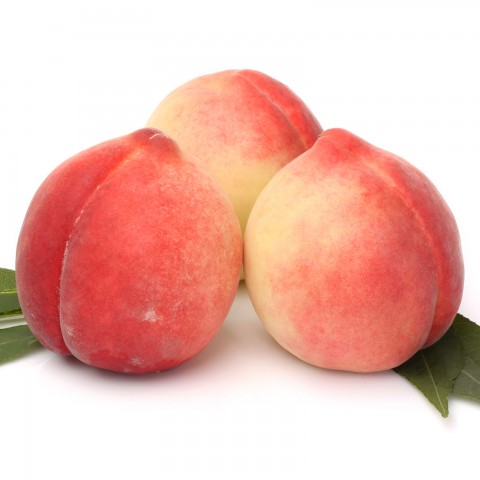
This is arguably Japan’s most famous folktale. It’s a classic hero’s journey filled with talking animals and an epic quest!
The Original
昔々、ある所におじいさんとおばあさんが住んでいました。
(Mukashibanashi, aru tokoro ni ojiisan to obāsan ga sunde imashita.)
おじいさんは山へ柴刈りに、おばあさんは川へ洗濯に行きました。
(Ojiisan wa yama e shibakari ni, obāsan wa kawa e sentaku ni ikimashita.)
おばあさんが川で洗濯をしていると、大きな桃が流れてきました。
(Obāsan ga kawa de sentaku o shite iru to, ōkina momo ga nagarete kimashita.)
「ドンブラコ、ドンブラコ」
(“Donburako, donburako”)
家に持って帰って切ると、中から元気な男の子が生まれました。
(Ie ni motte kaette kiru to, naka kara genkina otokonoko ga umaremashita.)
二人は彼を「桃太郎」と名付けました。
(Futari wa kare o “Momotarō” to nadukemashita.)
桃太郎は大きく強く育ちました。
(Momotarō wa ōkiku tsuyoku sodachimashita.)
ある日、桃太郎は言いました。「鬼ヶ島へ行って、悪い鬼を退治します!」
(Aru hi, Momotarō wa iimashita. “Onigashima e itte, warui oni o taiji shimasu!”)
おばあさんは日本一のきびだんごを作りました。
(Obāsan wa nihon’ichi no kibidango o tsukurimashita.)
桃太郎は犬、猿、キジにきびだんごをあげて、仲間にしました。
(Momotarō wa inu, saru, kiji ni kibidango o agete, nakama ni shimashita.)
みんなで力を合わせて、鬼を倒しました。
(Minna de chikara o awasete, oni o taoshimashita.)
鬼は謝り、宝物を渡しました。
(Oni wa ayamari, takarabako o watashimashita.)
桃太郎たちは宝物を持って、おじいさんとおばあさんのところに帰り、幸せに暮らしました。
(Momotarō-tachi wa takarabako o motte, ojiisan to obāsan no tokoro ni kaeri, shiawase ni kurashimashita.)
The English Translation
Once upon a time, there lived an old man and an old woman.
The old man went to the mountains to gather firewood, and the old woman went to the river to wash clothes.
While the old woman was washing clothes in the river, a giant peach came floating by.
It made loud thumps and splashed about.
She took it home, and when they cut it open, a healthy baby boy was born from inside.
The two named him “Momotarō” (Peach Boy).
Momotarō grew up big and strong.
One day, Momotarō said, “I will go to Onigashima (Demon Island) and defeat the bad demons!”
The old woman made the best millet dumplings (kibidango) in Japan.
Momotarō gave the millet dumplings to a dog, a monkey, and a pheasant, making them his companions.
Working together, they defeated the demons.
The demons apologized and handed over their treasure.
Momotarō and his friends took the treasure, returned to the old man and woman, and lived happily ever after.
2. Urashima Tarō

A magical, slightly bittersweet tale about an underwater kingdom. It’s fantastic for learning marine vocabulary and verbs related to travel and time.
The Original
昔々、浦島太郎という優しい漁師がいました。
(Mukashibanashi, Urashima Tarō to iu yasashii ryōshi ga imashita.)
ある日、子供たちがいじめている亀を助けました。
(Aru hi, kodomo-tachi ga ijomete iru kame o tasukemashita.)
数日後、亀が太郎のところに来て言いました。「助けてくれてありがとうございます。竜宮城へ案内します。」
(Sūjitsugo, kame ga Tarō no tokoro ni kite iimashita. “Tasukete kurete arigatō gozaimasu. Ryūgūjō e annaishimasu.”)
太郎が亀の背中に乗って海の中へ行くと、そこは美しい竜宮城でした。
(Tarō ga kame no senaka ni notte umi no naka e iku to, soko wa utsukushii Ryūgūjō deshita.)
乙姫様が太郎を歓迎しました。
(Otohime-sama ga Tarō o kankei shimashita.)
毎日美味しいごちそうを食べ、楽しい踊りを見て、太郎は時間を忘れました。
(Mainichi oishii gochisō o tabe, tanoshii odori o mite, Tarō wa jikan o wasuremashita.)
しかし数日後、太郎は村が心配になり、帰ることにしました。
(Shikashi sūjitsugo, Tarō wa mura ga shinpai ni nari, kaeru koto ni shimashita.)
乙姫様は「絶対に開けないでください」と言って、玉手箱を渡しました。
(Otohime-sama wa “Zettai ni akenaide kudasai” to itte, tamatebako o watashimashita.)
太郎が村に帰ると、村の様子がすっかり変わっていました。太郎の家も家族もありません。
(Tarō ga mura ni kaeru to, mura no yōsu ga sukkari kawatte imashita. Tarō no ie mo kazoku mo arimasen.)
実は、竜宮城の数日は、地上の数百年だったのです。
(Jitsu wa, Ryūgūjō no sūjitsu wa, chijō no sūbyakunichi datta no desu.)
悲しくなった太郎は、玉手箱を開けてしまいました。
(Kanashiku natta Tarō wa, tamatebako o akete shimaimashita.)
中から白い煙が出てきて、太郎はおじいさんになってしまいました。
(Naka kara shiroi kemuri ga dete kite, Tarō wa ojiisan ni natte shimaimashita.)
The English Translation
Once upon a time, there was a kind fisherman named Urashima Tarō.
One day, he rescued a turtle that was being bullied by some children.
A few days later, the turtle came to Tarō and said, “Thank you for saving me. I will guide you to the Dragon Palace (Ryūgūjō).”
When Tarō rode on the turtle’s back deep into the sea, he arrived at the beautiful Dragon Palace.
Princess Otohime welcomed Tarō.
Eating delicious feasts and watching fun dances every day, Tarō forgot about time.
However, a few days later, Tarō became worried about his village and decided to return.
Princess Otohime gave him a treasure box (tamatebako), saying, “Please, absolutely never open this.”
When Tarō returned to the village, the village’s appearance had completely changed. Tarō’s house and family were gone.
In reality, a few days in the Dragon Palace equaled hundreds of years on the surface.
Overcome with sadness, Tarō opened the treasure box.
White smoke came out from inside, and Tarō turned into an old man.
The Cultural Power of Classic Fables

Language and culture are so deeply intertwined that you simply cannot master one without the other. Every time you read a Japanese short story, especially traditional folktales (mukashibanashi), you are getting a direct window into the cultural mindset of Japan.
These stories are packed with embedded cultural values. In Momotaro, you see the high value placed on teamwork, harmony (wa), and filial piety. In Urashima Taro, you encounter themes of impermanence and the consequences of breaking a promise. When you absorb these narratives, you aren’t just learning how to conjugate verbs; you are learning how Japanese people view the world, which ultimately makes your spoken Japanese much more natural and culturally sensitive.
From Passive Reading to Active Expression

Reading is a fantastic passive learning tool. When you regularly digest short stories in Japanese, you build a massive subconscious database of vocabulary and sentence patterns. But how do you bridge the gap between understanding a story and using those new words in real-life conversations?
The trick is to use your reading material as a springboard for active output. Instead of just closing the book when you finish, take a moment to summarize the plot out loud. Try pretending you are explaining the story to a friend in Japanese. Write a short diary entry about what you liked or disliked about the characters. By taking the passive input and forcing your brain to construct active output, you solidify the language in your long-term memory.
Actionable Tips to Maximize Passive Learning

To get the most out of your reading sessions, try implementing these highly effective habits:
- Read Aloud: Don’t just read in your head. Speaking the words aloud trains your tongue and mouth muscles to get comfortable with Japanese phonetics and pitch accent.
- Visualize the Scene: As you read, paint a vivid movie of the action in your mind. Tying foreign words to strong mental images drastically improves retention.
- Embrace the Ambiguity: Resist the urge to stop and look up every single unknown word in a dictionary. Try to guess the meaning from the context first to maintain the flow and enjoyment of the story.
- Shadow the Audio: If you have access to an audiobook version of the story, listen to a sentence and then immediately repeat it out loud, trying to match the narrator’s speed and emotion.
- Repetition is Key: Read the same story multiple times. The first read is for the general plot; the second is for understanding grammar; the third is for natural speed and fluency.
Are you ready to take your Japanese immersion to the next level? Build your vocabulary, improve your listening skills, and start conversing with confidence by exploring the massive library of audio and video lessons over at JapanesePod101.com. Let the stories guide you, and watch your fluency soar!