What is the drinking age in Japan? The short answer is 20. Japan lowered the age of adulthood to 18 in April 2022, but the legal age for drinking alcohol stayed at 20, and it applies to visitors too.
Knowing the drinking age in Japan is only the start, though. Drinking in Japan comes with its own customs: people usually wait for the first toast, pour drinks for each other, and company parties even have a special way to end. Below, you’ll find the rules, the etiquette, and the Japanese phrases you need to order, toast, and politely say no.
Drinking in Japan: Quick Reference
LEGAL AGE
二十歳 (hatachi)
The rule to remember
You must be 20 or older to drink or buy alcohol in Japan, even though adulthood now starts at 18. Bring ID, such as your passport, in case you’re asked.
Five words to know before you go
| Japanese | Romaji | Meaning |
|---|---|---|
| 乾杯 | kanpai | “Cheers!” |
| とりあえずビール | toriaezu bīru | “Beer for now, please.” |
| お酒 | osake | Alcohol; also Japanese sake |
| 飲み放題 | nomihōdai | All-you-can-drink |
| お酒は飲めません | osake wa nomemasen | “I can’t drink alcohol.” |
Golden rule: don’t drink until everyone has said 乾杯 (kanpai), and pour for others instead of for yourself.
Table of Contents
- What Is the Drinking Age in Japan?
- Kanpai! How to Toast in Japan
- Pouring Etiquette: Don’t Pour Your Own Drink
- Drinking at an Izakaya
- Nomikai: Japanese Company Drinking Parties
- Japanese Drinking Phrases
- Drinking Laws and Safety in Japan
- Quiz: Are You Ready for Your First Kanpai?
- Drinking in Japan FAQ
- Final Thoughts
1. What Is the Drinking Age in Japan?
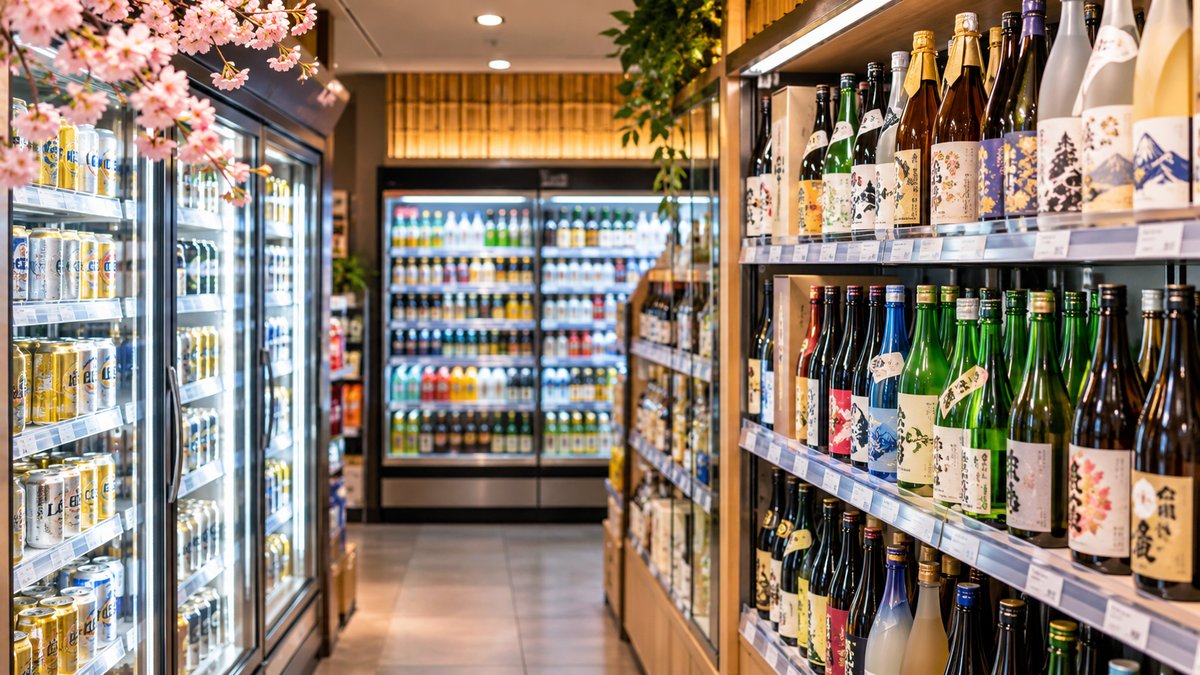
The legal drinking age in Japan is 20. On April 1, 2022, Japan lowered the age of adulthood from 20 to 18, so 18- and 19-year-olds can now sign contracts on their own. However, the minimum age for drinking, smoking, and public gambling was kept at 20.
The rule covers both drinking and buying alcohol, and it applies to everyone in Japan, including tourists. At many convenience store registers, you’ll be asked to tap a button on the screen to confirm that you are 20 or older. Bars and restaurants may ask for ID, so carry your passport or residence card.
You’ll often see this short reminder on Japanese alcohol ads and cans:
| Japanese | Romaji | English |
|---|---|---|
| お酒は二十歳になってから。 | Osake wa hatachi ni natte kara. | “Alcohol only after you turn 20.” |
| 二十歳未満の飲酒は法律で禁止されています。 | Hatachi miman no inshu wa hōritsu de kinshi sarete imasu. | “Drinking under the age of 20 is prohibited by law.” |
Notice the special reading here: 二十歳 is read hatachi, not nijussai. It’s a word you’ll hear a lot around Coming of Age Day.
2. Kanpai! How to Toast in Japan
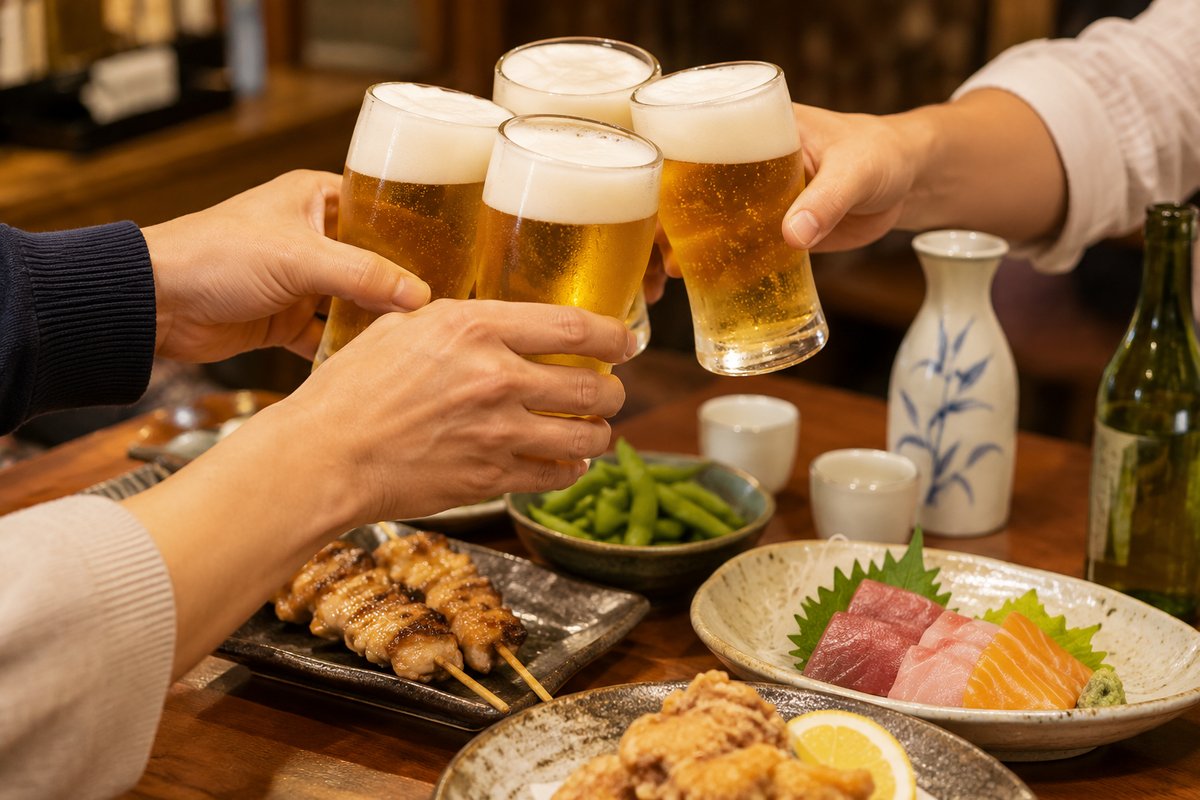
In Japan, people usually don’t start drinking until the group has toasted together. When everyone has a glass, someone (often the most senior person) says a few words, and then the whole table raises their glasses and calls out 乾杯 (kanpai, “cheers”). As Risa shows in our video lesson, people often stretch the word out: かんぱーい! (kanpāi!).
A few tips for your first toast:
- Wait for the toast. Sharing the first toast is important, so don’t take a sip beforehand, no matter how thirsty you are.
- Start with beer. At many gatherings, the first order is とりあえずビール (toriaezu bīru, “beer for now”). You don’t have to drink beer, but it’s the classic way to start.
- Keep your glass lower than your seniors’ glasses. When you clink glasses with a boss or someone older, hold your glass a little lower than theirs to show respect.
- Say thanks when someone pours for you. A simple どうも (dōmo, “thanks”) works at a casual party.
3. Pouring Etiquette: Don’t Pour Your Own Drink
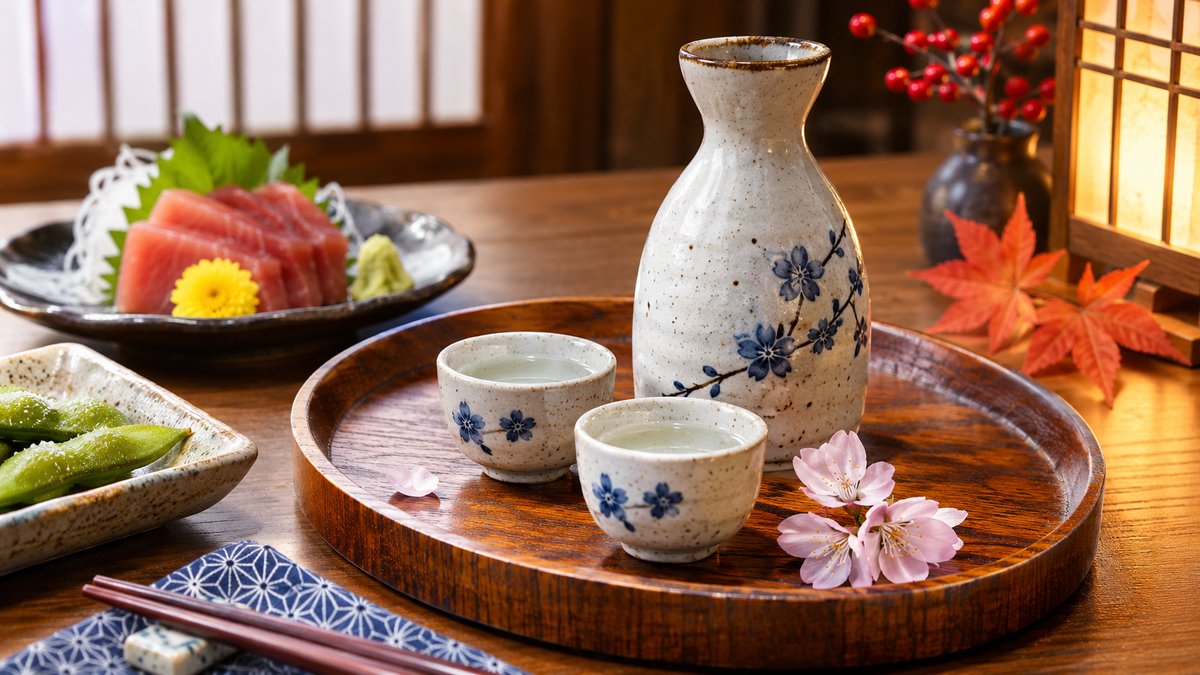
One of the biggest differences between drinking in Japan and drinking in many other countries is who pours. Pouring your own drink is called 手酌 (tejaku), and at a formal party it’s considered bad manners. Instead, people pour for each other.
In our lesson Company Drinking Parties, Risa and Becky explain a nice expression for this: 差しつ差されつ (sashitsu sasaretsu), which describes pouring for each other back and forth. It shows that everyone is looking after each other, and it gets people talking.
- Watch your neighbors’ glasses. When a glass is empty or nearly empty, offer to refill it, saying どうぞ (dōzo, “here you are”).
- Lift your glass when someone pours for you. Hold it with both hands if the person is senior to you.
- Return the favor. After someone pours for you, check their glass and offer to pour for them.
- Want to stop? Leave your glass full. An empty glass usually signals that you’d like a refill.
4. Drinking at an Izakaya
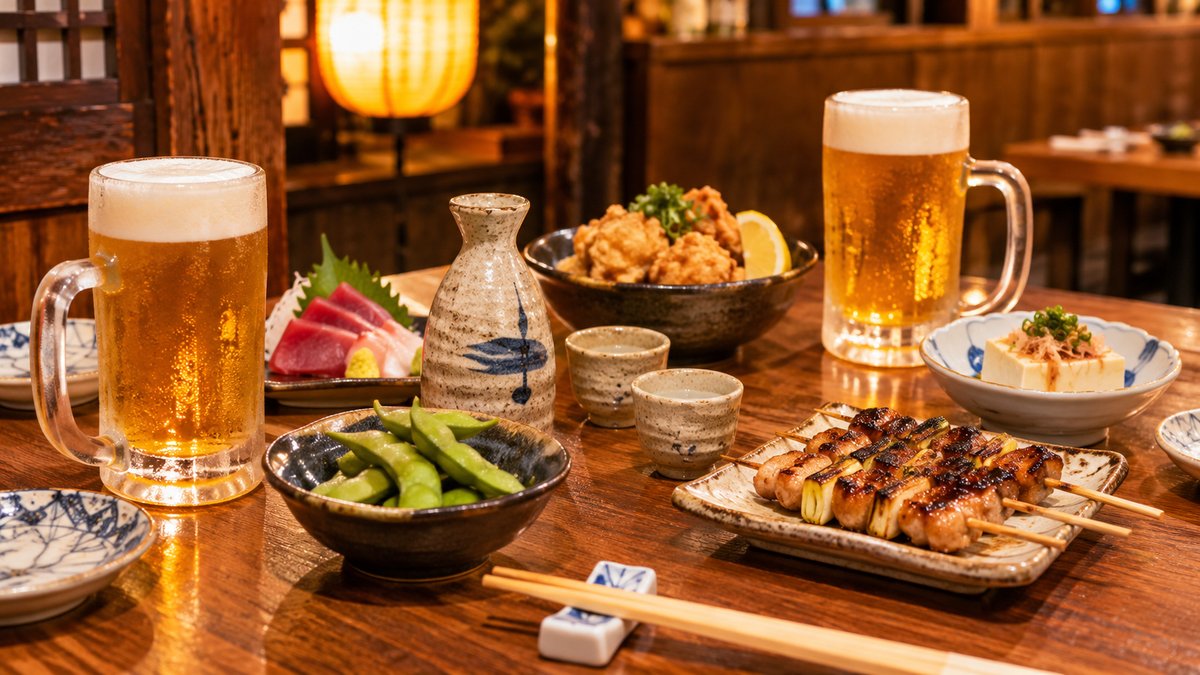
A 居酒屋 (izakaya) is a casual Japanese pub that serves drinks along with lots of small dishes to share. It’s one of the best places to experience Japanese nightlife on a budget. Our lesson Top 5 Words You Should Know for a Japanese-style Pub or Izakaya covers words you’ll come across as soon as you sit down:
| Japanese | Romaji | English | What to know |
|---|---|---|---|
| お通し | otōshi | “Small appetizer” | A small dish served automatically with your first drink. It usually costs a few hundred yen and is added to your bill. |
| おしぼり | oshibori | “Wet towel” | For cleaning your hands before you eat. Wipe your hands gently rather than scrubbing your face. |
| 取り皿 | torizara | “Small plate” | For taking food from shared dishes. Don’t eat directly from the large plate. |
| 飲み放題 | nomihōdai | “All-you-can-drink” | A set price for unlimited drinks for a fixed time. You usually need to finish one glass before ordering the next. |
| 生ビール | nama bīru | “Draft beer” | The most common first order. Often shortened to 生 (nama). |
Many izakayas also serve 日本酒 (nihonshu, “Japanese sake”), 焼酎 (shōchū, a distilled spirit), and plenty of soft drinks for anyone who isn’t drinking alcohol. To learn more about izakaya culture, try the lesson Izakaya Part 1: What Is an Izakaya?
5. Nomikai: Japanese Company Drinking Parties
If you work in Japan, you’ll probably be invited to a 飲み会 (nomikai, “drinking party”) with your coworkers. Companies hold parties for all kinds of occasions, and coworkers also go out for drinks after work. There’s even a playful word for the bonding that happens over drinks: 飲みニケーション (nominikēshon), a mix of 飲む (nomu, “to drink”) and コミュニケーション (komyunikēshon, “communication”).
| Japanese | Romaji | English |
|---|---|---|
| 忘年会 | bōnenkai | “Year-end party” |
| 新年会 | shinnenkai | “New Year’s party” |
| 歓迎会 | kangeikai | “Welcome party” |
| 送別会 | sōbetsukai | “Farewell party” |
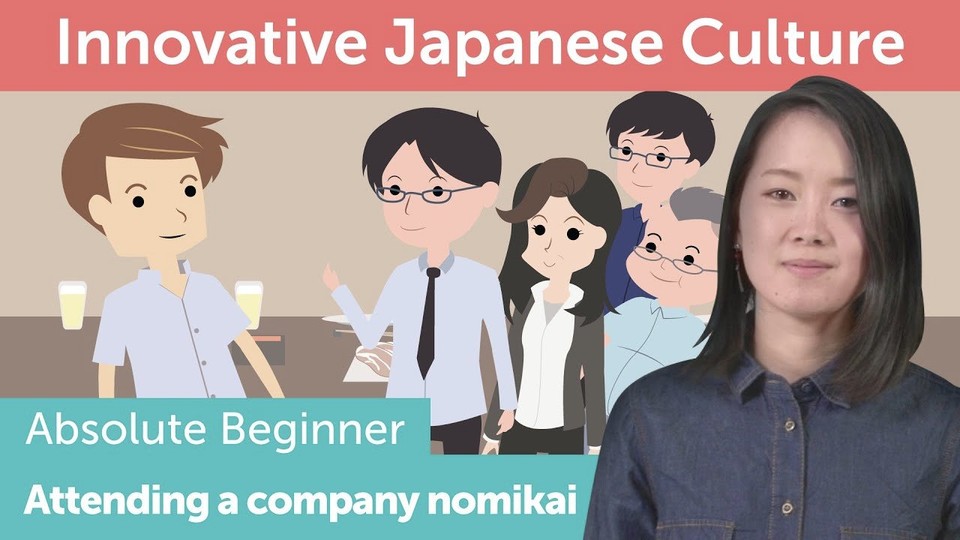
In the video lesson Attending a Company Drinking Party, Risa walks you through Mark’s welcome party, from offering beer to coworkers to the big 乾杯 (kanpai). She also explains how a party ends. Many nomikai close with a 手締め (tejime), a rhythmic group clap. For the popular 一本締め (ippon jime), the organizer calls out お手を拝借 (ote o haishaku, literally “let me borrow your hands”), everyone says よぉ〜 (yō), and the group claps ten times in a set rhythm. Around Tokyo, you may also see a shorter version with just one clap.
Get ready for your first nomikai
Watch Risa’s video lesson to see a company drinking party in action and practice the key phrases for offering a drink and making a toast.
Watch Risa’s Lesson6. Japanese Drinking Phrases
These phrases will help you order, toast, and say no politely:
| Japanese | Romaji | English |
|---|---|---|
| 乾杯! | Kanpai! | “Cheers!” |
| とりあえずビールで。 | Toriaezu bīru de. | “Beer for now, please.” |
| 生ビールをください。 | Nama bīru o kudasai. | “A draft beer, please.” |
| 飲み放題はありますか? | Nomihōdai wa arimasu ka? | “Do you have all-you-can-drink?” |
| おかわりをお願いします。 | Okawari o onegai shimasu. | “Another one, please.” |
| どうぞ。 | Dōzo. | “Here you are.” (when pouring) |
| お酒は飲めません。 | Osake wa nomemasen. | “I can’t drink alcohol.” |
| ウーロン茶をお願いします。 | Ūroncha o onegai shimasu. | “Oolong tea, please.” |
| もう結構です。 | Mō kekkō desu. | “I’m fine, thank you.” (no more) |
| お会計をお願いします。 | Okaikei o onegai shimasu. | “The check, please.” |
Want to practice the basics? In the beginner lesson Do You Drink Japanese Beer?, you’ll learn how to ask and answer simple questions about drinking.
7. Drinking Laws and Safety in Japan
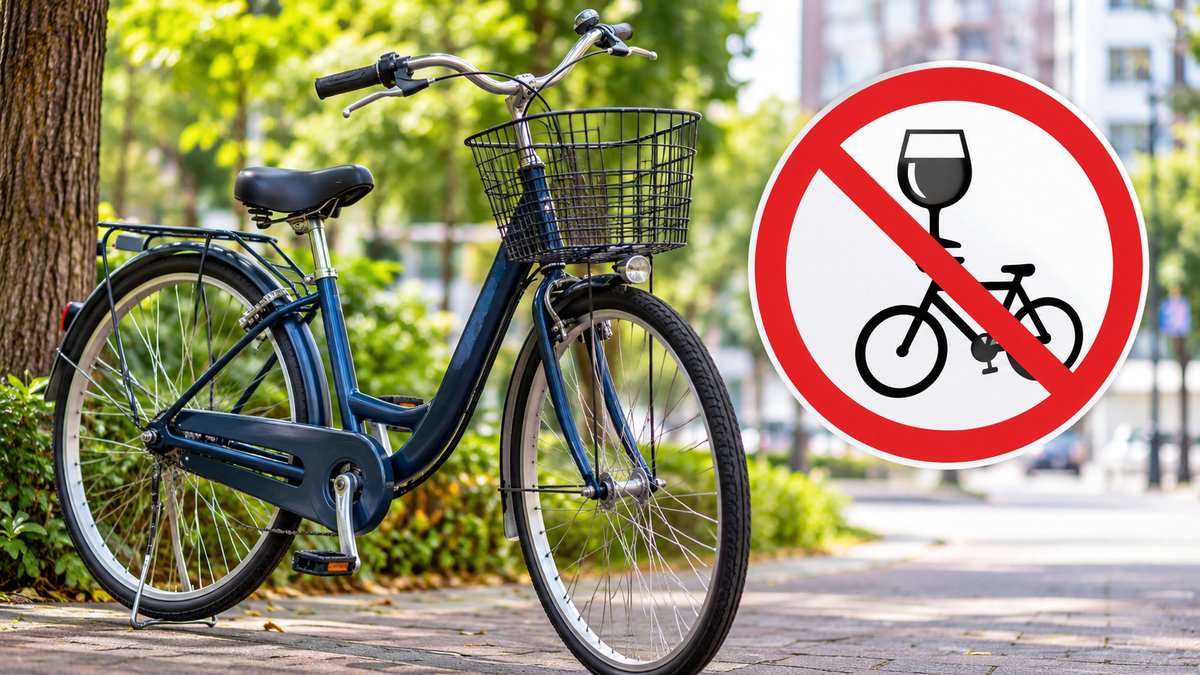
Japan’s drinking culture can feel quite relaxed, but there are a few rules to keep in mind:
- Never drink and drive, and that includes bicycles. Japan’s drink-driving laws are very strict. Passengers who knowingly ride with a drunk driver and people who provide alcohol to someone who will drive can also be punished.
- Check local rules for street drinking. Drinking outdoors is not generally illegal in Japan, but some areas restrict it. Since October 1, 2024, for example, Shibuya Ward in Tokyo bans street drinking around Shibuya Station from 6 p.m. to 5 a.m. every day.
- Don’t chug, and don’t pressure others. Downing a whole glass at once is called 一気飲み (ikki nomi). It’s discouraged because it can cause acute alcohol poisoning. Pressuring someone to drink is known as アルハラ (aruhara), short for アルコールハラスメント (arukōru harasumento, “alcohol harassment”).
- It’s OK not to drink. Non-alcoholic beer and soft drinks are easy to find, and you can still join the toast with oolong tea or juice.
8. Quiz: Are You Ready for Your First Kanpai?
How much do you remember? Choose an answer for each question. Tap an answer to see if you’re right.
Question 1. What is the legal drinking age in Japan?
Question 2. Everyone has a drink in front of them. What should you do before taking a sip?
Question 3. Your coworker’s glass is empty. What do you say as you offer to pour?
9. Drinking in Japan FAQ
Can tourists drink in Japan at 18?
No. The legal drinking age in Japan is 20, and it applies to everyone, including visitors from countries where the drinking age is lower.
Do I need ID to buy alcohol in Japan?
You may be asked for ID at bars, restaurants, and stores, so carry your passport or residence card. At many convenience stores, you’ll also confirm your age on the register screen.
Is it rude to pour your own drink in Japan?
At formal or work gatherings, yes. Pouring your own drink, called 手酌 (tejaku), is seen as bad manners. Pour for others, and they will pour for you. With close friends, the rule is much more relaxed.
How do you say “cheers” in Japanese?
Say 乾杯 (kanpai). It literally means “dry cup,” but today it simply means “cheers.”
How do I politely refuse a drink in Japan?
Say お酒は飲めません (osake wa nomemasen, “I can’t drink alcohol”) or もう結構です (mō kekkō desu, “I’m fine, thank you”). You can also leave your glass full so no one refills it.
10. Final Thoughts
Drinking in Japan is about more than the drinks themselves. The drinking age in Japan is 20. Once you’re of age, wait for the 乾杯 (kanpai), pour for the people around you, and keep a few polite phrases ready. You’ll fit right in, whether you’re at an izakaya or your first nomikai.
Want to go further? Read about Japanese table manners in Etiquette Related to Eating and Drinking, or find out where Japanese people go for a drink in the advanced lesson Cheers! Where to Go for a Drink in Japan.
Learn Japanese for real-life situations
From your first kanpai to your company’s year-end party, JapanesePod101 has lessons that prepare you for real conversations in Japan.
Start Learning for FreeHave you been to an izakaya or a nomikai in Japan? Share your experience in the comments!