So, you’re planning a trip to Japan! That’s fantastic. But one big question looms over every traveler: when is the best time to visit Japan? The answer really depends on what you want to see and do. Do you dream of walking under a shower of pink petals, marveling at fiery red autumn leaves, or hitting the ski slopes on powdery snow?
This guide will walk you through Japan’s four distinct seasons. More importantly, it will give you the exact Japanese phrases you need to ask locals for advice and get to your dream destinations. By the end, you’ll be able to tell a taxi driver where you want to go and ask if it’s a good time to visit—all in Japanese.
Let’s get started.
Spring: Petals and Picnics
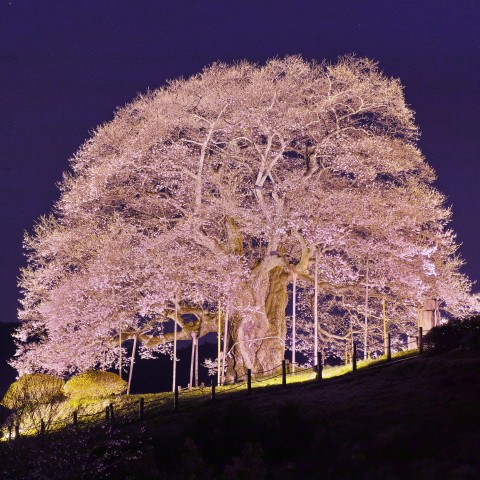
Spring (haru, 春) in Japan, from March to May, is world-famous for one thing: cherry blossoms (sakura, 桜). Across Japan, people celebrate as waves of pink and white blossoms gradually spread from south to north. This is the peak tourist season for a reason, but the breathtaking beauty is worth the crowds. Japan in cherry blossom season is truly a sight to behold.
Wondering when cherry blossom season starts in Japan? The timing varies each year and by region. Blossoms often appear in Tokyo and Kyoto around late March or early April, then continue northward into April and early May. Check the latest cherry blossom forecast before your trip.
Good places to visit in Spring:
- Tokyo: Ueno Park and Shinjuku Gyoen are classic spots for flower-viewing picnics (hanami, 花見).
- Kyoto: Walk the Philosopher’s Path under a canopy of blossoms or visit Maruyama Park for its giant weeping cherry tree.
- Himeji: The stunning white Himeji Castle looks even more magical framed by pink sakura.
Talking to a Local in Spring
Imagine you’ve just arrived at your hotel in Tokyo. You want to see the famous cherry blossoms. Here’s how you can ask the receptionist for advice.
You: すみません。上野公園に行きたいです。 (Sumimasen. Ueno Kōen ni ikitai desu.) (Excuse me. I want to go to Ueno Park.)
Receptionist: はい、上野公園ですね。 (Hai, Ueno Kōen desu ne.) (Yes, Ueno Park.)
You: 春は上野公園に行くのにいい時期ですか? (Haru wa Ueno Kōen ni iku no ni ii jiki desu ka?) (Is spring a good time to visit Ueno Park?)
Receptionist: はい、とてもいい時期ですよ!桜がきれいです。 (Hai, totemo ii jiki desu yo! Sakura ga kirei desu.) (Yes, it’s a very good time! The cherry blossoms are beautiful.)
Summer: Festivals and Fireworks

Summer (natsu, 夏), from June to August, is hot and humid across most of Japan. It kicks off with a rainy season (tsuyu, 梅雨) in June. But once the rain clears, it’s a season of vibrant energy, with countless local festivals (matsuri, 祭り) featuring parades, traditional food, and spectacular fireworks displays (hanabi, 花火).
If you can handle the heat, summer offers unique experiences you won’t find any other time of year. For those who prefer cooler weather, the northern island of Hokkaido is a perfect summer escape.
Good places to visit in Summer:
- Hokkaido: Escape the heat and explore the beautiful national parks and lavender fields of Furano.
- Okinawa: Enjoy the tropical beaches, turquoise water, and world-class snorkeling.
- Kyoto: Experience the Gion Matsuri in July, one of Japan’s most famous festivals.
Talking to a Local in Summer
Let’s say you’re at a tourist information center, trying to decide where to go next. You’re curious about Japan’s southern islands.
You: こんにちは。沖縄に行きたいです。 (Konnichiwa. Okinawa ni ikitai desu.) (Hello. I want to go to Okinawa.)
Staff: ああ、沖縄、いいですね! (Aa, Okinawa, ii desu ne!) (Ah, Okinawa, that’s nice!)
You: 夏は沖縄に行くのにいい時期ですか? (Natsu wa Okinawa ni iku no ni ii jiki desu ka?) (Is summer a good time to visit Okinawa?)
Staff: はい、でも、とても暑いです。海は青くてきれいですよ。 (Hai, demo, totemo atsui desu. Umi wa aokute kirei desu yo.) (Yes, but it’s very hot. The sea is blue and beautiful.)
Autumn: A Tapestry of Colors
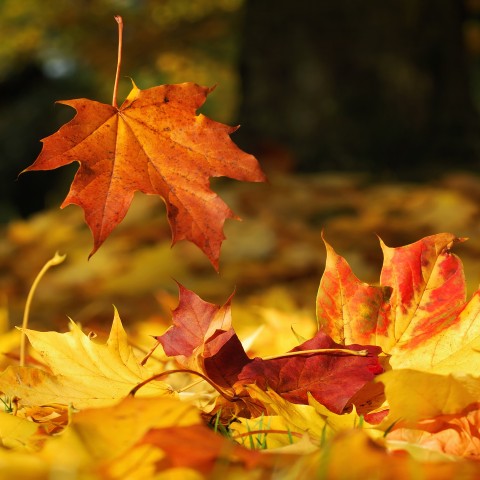
Autumn (aki, 秋), from September to November, is another one of the best times to visit Japan. The weather is cool and comfortable, and the landscape transforms with fiery autumn leaves (kōyō, 紅葉). The vibrant shades of red (aka, 赤), orange, and yellow create stunning scenery, especially at temples, in parks, and throughout the mountains.
This is a wonderful season for hiking, visiting traditional gardens, and enjoying the crisp, clear air. Crowds may be lighter than during cherry blossom season in some areas, although famous autumn-foliage destinations can still be very busy.
Good places to visit in Autumn:
- Kyoto: The city’s many temples, like Kiyomizu-dera and Arashiyama, are famous for their spectacular autumn colors.
- Nikko: A couple of hours from Tokyo, this national park offers breathtaking views of mountains and lakes ablaze with color.
- Hakone: Enjoy views of Mount Fuji framed by red and gold leaves while relaxing in a hot spring.
Talking to a Local in Autumn
You hop into a taxi in Kyoto, ready to see some famous temples. You can practice your Japanese with the driver.
You: 清水寺までお願いします。 (Kiyomizu-dera made onegai shimasu.) (To Kiyomizu-dera Temple, please.)
Driver: はい、わかりました。 (Hai, wakarimashita.) (Yes, understood.)
You: 秋は京都に行くのにいい時期ですか? (Aki wa Kyōto ni iku no ni ii jiki desu ka?) (Is autumn a good time to visit Kyoto?)
Driver: そうですね。紅葉がすばらしいです。一番いい時期かもしれません。 (Sō desu ne. Kōyō ga subarashii desu. Ichiban ii jiki kamo shiremasen.) (That’s right. The autumn leaves are wonderful. It might be the best time.)
Winter: Snow and Serenity
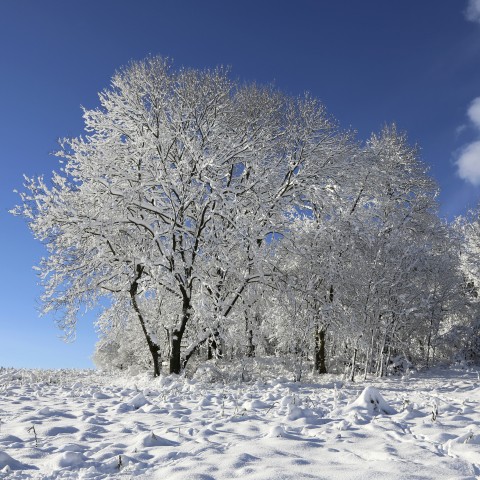
Winter (fuyu, 冬), from December to February, can be cold, but it has its own magic. Northern Japan and the mountainous regions see heavy snowfall, creating a winter wonderland perfect for skiing, snowboarding, and visiting snow festivals. It’s also the best season for enjoying a natural hot spring (onsen, 温泉).
Winter conditions vary greatly by region. Northern and mountainous areas can be extremely cold and snowy, while Tokyo is generally drier and sees relatively little snow. Spectacular winter illuminations brighten cities across the country, and outside major holiday periods and popular snow destinations, some places may be less crowded.
Good places to visit in Winter:
- Hokkaido: Home to the famous Sapporo Snow Festival (Yuki Matsuri, 雪祭り) in February and some of the best ski resorts in the world.
- Nagano: The Japanese Alps offer world-class skiing and the famous Jigokudani Monkey Park, where you can see snow monkeys bathing in hot springs.
- Shirakawa-go: This UNESCO World Heritage Site with its traditional Gassho-zukuri farmhouses is incredibly picturesque under a blanket of snow.
Talking to a Local in Winter
Picture yourself at a cozy bar in a small town. A friendly local strikes up a conversation.
Local: こんばんは。どこから来ましたか? (Konbanwa. Doko kara kimashita ka?) (Good evening. Where are you from?)
You: アメリカから来ました。札幌に行きたいです。 (Amerika kara kimashita. Sapporo ni ikitai desu.) (I’m from America. I want to go to Sapporo.)
Local: ああ、札幌ですか?雪まつりに行きたいんですか? (Aa, Sapporo desu ka? Yuki Matsuri ni ikitai n desu ka?) (Oh, Sapporo? Do you want to go to the Snow Festival?)
You: はい!冬は札幌に行くのにいい時期ですか? (Hai! Fuyu wa Sapporo ni iku no ni ii jiki desu ka?) (Yes! Is winter a good time to visit Sapporo?)
Local: もちろんです。でも、すごく寒いですよ。暖かい服を持っていったほうがいいですよ。 (Mochiron desu. Demo, sugoku samui desu yo. Atatakai fuku o motte itta hō ga ii desu yo.) (Of course! But it’s very cold. You should take warm clothes with you.)
Things to be Aware Of
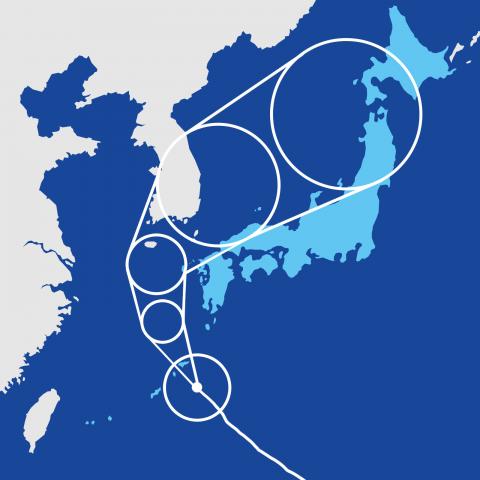
When planning, it’s helpful to check the typical weather for the month you’ll be visiting and be aware of seasonal weather risks. Typhoon season generally runs from May to October, with the highest activity typically occurring in August and September. Typhoons can cause flight and train cancellations, closures, and other major travel disruptions. Check official weather warnings and follow local safety instructions. The rainy season (tsuyu, 梅雨) affects most of Japan in June and early July, although its timing and intensity vary by region.
Specific Events
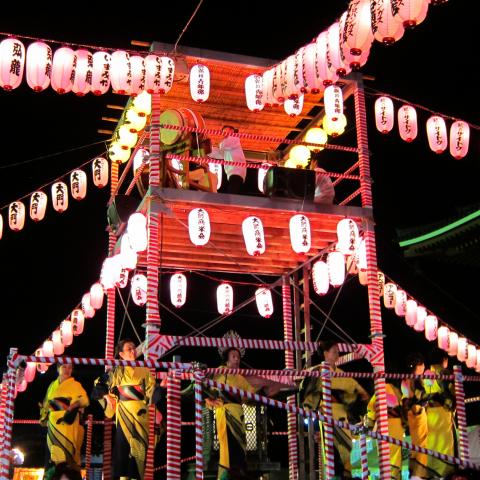
Japan has several major holiday periods when travel becomes extremely busy and expensive. The biggest is Golden Week, a series of holidays at the end of April and beginning of May. Another is Obon week in mid-August, a time when many people travel to their hometowns. New Year’s (Oshōgatsu, お正月) is also a major holiday, and many shops, restaurants, and sights close from December 29th to January 3rd.
So, When Will You Go?
As you can see, the best time of year to visit Japan is entirely up to you. Each season offers a unique and unforgettable experience.
Now you know what each season has to offer — and how to talk about your travel plans in Japanese. You can say where you want to go —[Place]ni ikitai desu (“I want to go to [place]”) — and ask for local advice —[Season]wa [Place]ni iku no ni ii jiki desu ka? (“Is [season] a good time to visit [place]?”). That’s a huge step toward traveling with confidence!
Are you ready for your visit to Japan? Continue learning with What You Need to Know about the Seasons in Japan.