Does Japan celebrate Christmas? The simple answer is yes, but the way Christmas is observed in Japan is uniquely Japanese. For travelers and general readers, understanding the Japanese Christmas traditions offers a fascinating look at how a global holiday can transform when embraced in a different cultural context.
Although only a small percentage of Japanese people are Christian, the country has adopted Christmas as a lively, romantic, light-filled season that blends imported customs with domestic creativity. From dazzling illuminations and festive markets to the famous KFC Christmas dinner, Japanese Christmas traditions are unlike anything you’ll find elsewhere.
This article explores the history of Christmas in Japan, how Japanese people celebrate today, regional differences, such as Christmas in Tokyo and Kyoto, the foods people enjoy, and how to say “Merry Christmas” in Japanese.
Table of Contents- Historical Origins of Christmas in Japan
- Modern-Day Japanese Christmas Traditions
- Christmas Food in Japan: What Do Japanese People Eat for Christmas?
- Christmas Decorations in Japan
- Christmas Music in Japan
- Holiday Greetings and Wishes for the Holiday Season
- Regional Highlights: Christmas in Tokyo and Kyoto
- Final Thoughts
1. Historical Origins of Christmas in Japan
A. First Arrivals of Christmas in the 1500s
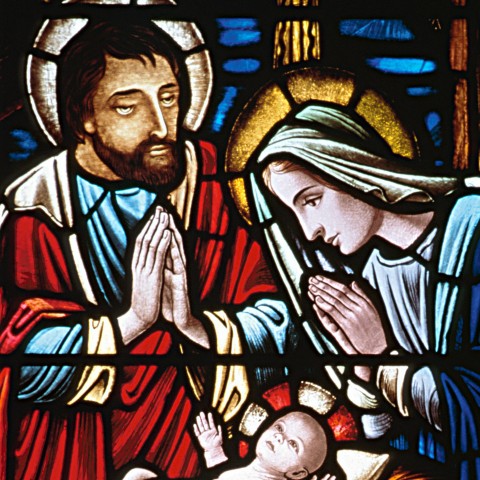
The earliest records of Christmas in Japan date back to the 1500s, when Jesuit missionaries introduced Christian practices to the country. In 1552, St. Francis Xavier and other missionaries held what is considered the first Christmas Mass in Yamaguchi. At the time, Christianity briefly spread among segments of the Japanese population, and the earliest Japanese Christmas traditions were religious in nature—centered around Mass, hymns, and small gatherings.
B. Christmas Disappears for Centuries
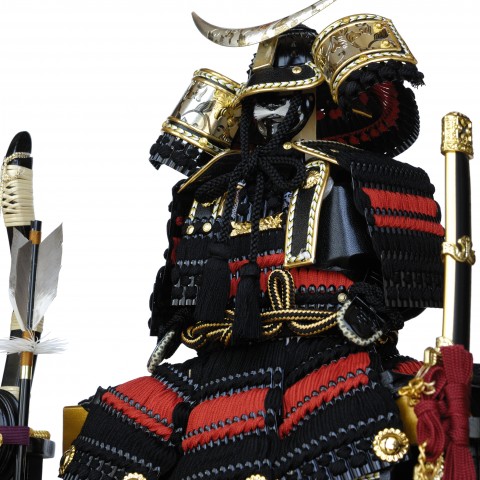
However, by the early 1600s, Christianity was banned under the Tokugawa shogunate. For more than 250 years, Japan was largely closed off from the West, and all public Christian celebrations—including Christmas—disappeared entirely. During this long period of national isolation, no form of Christmas existed in Japanese society.
C. Reintroduction During the Meiji Era
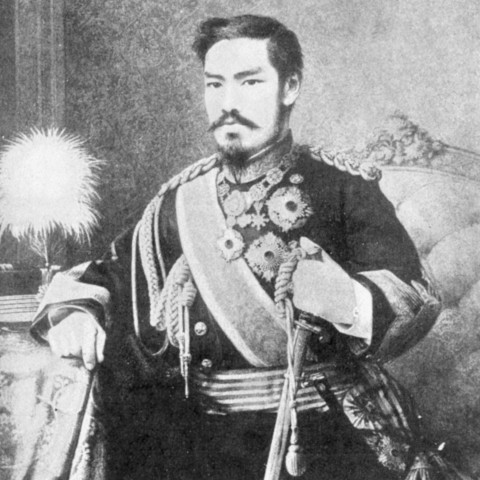
Christmas returned in the late 1800s during the Meiji Restoration, when Japan reopened its borders and began rapidly modernizing. Westerners living in port cities like Yokohama and Kobe began celebrating Christmas again, and businesses soon saw commercial potential.
By 1904, the grocery store Meiji-ya in Tokyo set up one of the country’s first commercial Japanese Christmas decorations—a decorated Christmas tree that attracted crowds. By 1910, confectioners were already selling what would become the iconic Japanese Christmas cake. Christmas had begun its evolution into a commercial and cultural celebration, separate from religion.
D. Post-War Influence and the Birth of Modern Japanese Christmas
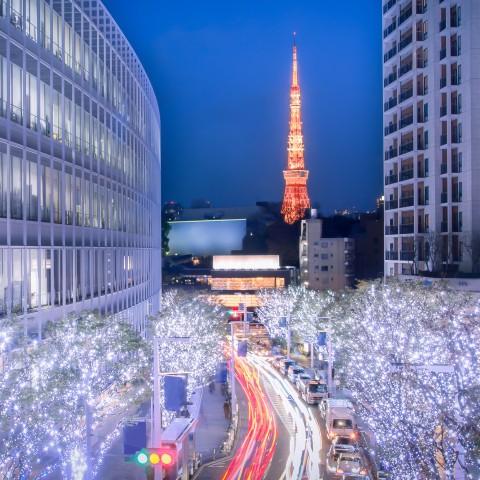
After World War II, American cultural influence grew, and softer versions of Western holidays began entering Japanese media, stores, and advertising. Christmas lights, cookies, Santa Claus, and seasonal music became familiar, especially in major cities.
By the 1970s and 1980s, Japan had shaped Christmas into its own unique holiday—one focused on illuminations, romance, gift-giving between couples, and special seasonal foods. Today, is Christmas celebrated in Japan? Absolutely—but in a distinctly Japanese way.
2. Modern-Day Japanese Christmas Traditions
A. Christmas Eve Is a Romantic Holiday
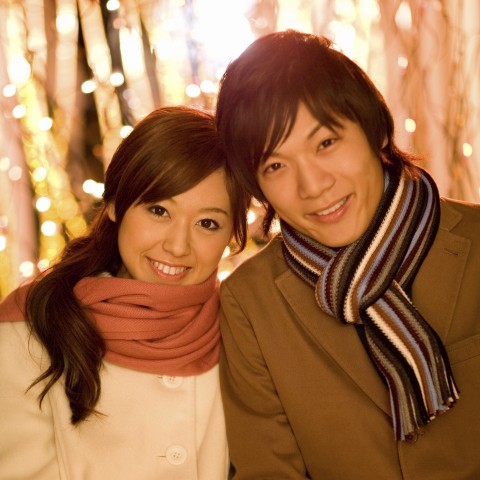
Unlike in Western countries, where Christmas Eve is typically a family gathering, it is widely recognized in Japan as a romantic night. For many young couples, it’s one of the most important date nights of the year—comparable to Valentine’s Day.
Restaurants across Tokyo, Osaka, and Kyoto book up weeks in advance. It’s common for couples to exchange thoughtful gifts, enjoy winter illuminations, and take commemorative photos under Christmas lights. This answers a common question from foreign visitors: Do they celebrate Christmas in Japan? Yes—but Christmas Eve (not Christmas Day) is the focal point, especially for young adults.
B. KFC Christmas: The Famous Fried-Chicken Tradition

One of the most iconic Japanese Christmas food traditions is the KFC Christmas Japan pack. This extremely popular custom began in 1974 when KFC launched a marketing campaign called “Kentucky for Christmas.” Since whole turkeys were nearly impossible to find in Japan, KFC positioned fried chicken as the next best thing.
The result was explosive. Today:
- Roughly 3.5 million Japanese families order KFC on Christmas Eve or Christmas Day.
- Reservations for KFC Japan Christmas menu items often open weeks in advance.
- Some restaurants operate extended KFC hours on Christmas to meet demand.
- Long lines are common at KFC locations across the country, from KFC Tokyo to small-town branches.
This unique phenomenon explains why Japan is the answer to the question: What country eats KFC for Christmas?
The meal often includes:
- special fried chicken buckets
- Christmas edition packaging
- salads and sides
- and even a small decorated cake
For many families, this is the center of the Japanese Christmas dinner experience.
C. Christmas Cake: A Symbol of Celebration
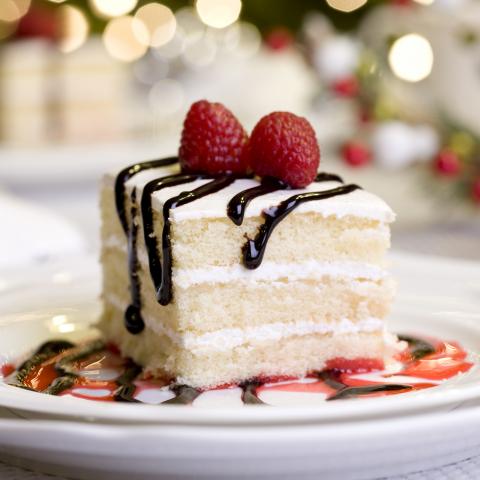
Another essential Japanese Christmas food is the Christmas cake—usually a soft sponge cake topped with whipped cream and fresh strawberries. This cake represents a more celebratory, non-religious aspect of the holiday.
You’ll find it everywhere:
- department stores
- bakeries
- convenience stores
- patisseries
The cake’s popularity skyrocketed in the 1960s as Japan’s economy grew, and it became a symbol of prosperity and seasonal joy. Many families consider Christmas incomplete without it.
D. Santa Claus and Hoteiosho

Santa Claus in Japan, often called “Santa-san,” functions much the same as in the West: he brings children gifts on Christmas Eve. But in some regions, Japan has an additional gift-giver called Hoteiosho, a plump, cheerful figure from Buddhist mythology who carries a sack of presents.
Hoteiosho is sometimes described as having eyes on the back of his head to watch children’s behavior—an interesting example of Japanese Christmas customs merging with older religious traditions. While Santa dominates modern culture, Hoteiosho remains a charming footnote in the story of Japan and Christmas.
E. Christmas Illuminations Across Japan
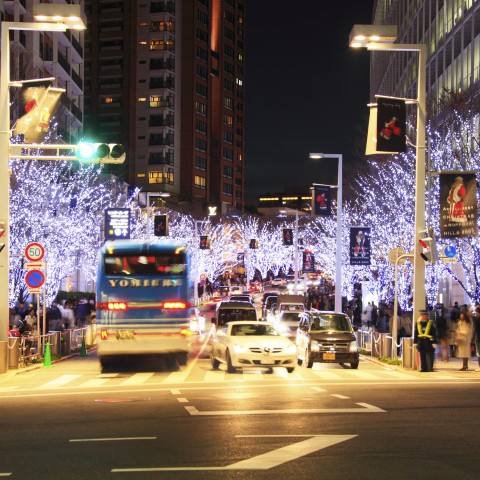
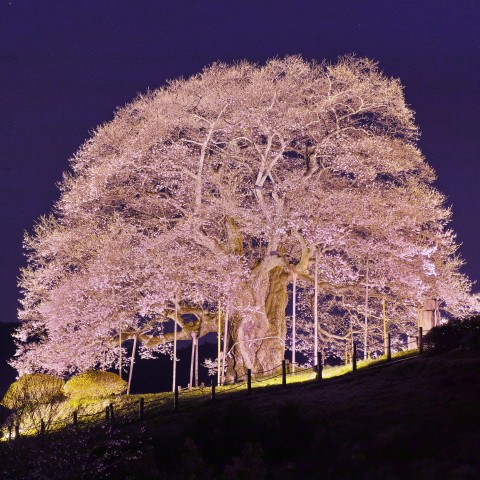
If you want to feel the magic of Christmas in Tokyo, the Christmas illuminations are unbeatable. Major areas such as Shibuya, Roppongi, Marunouchi, and Tokyo Midtown create spectacular light installations each year.
Other cities, such as Osaka, Sapporo, Nagoya, and Kyoto, also host impressive illuminations. Christmas markets inspired by Germany are increasingly common, offering mulled wine, crafts, and Japanese Christmas ornaments.
These events answer another question travelers ask: How does Japan celebrate Christmas?
The answer: with lights—millions of them.
F. Christmas Is Not a National Holiday

A common misconception is that Japan takes December 25th off work. In reality, Christmas Day is a regular work and school day. Those who celebrate on the evening of Christmas Eve will still have to go in for work on Christmas day!
However, January 1st—the Japanese New Year—is the major national holiday.
G. Gift-Giving Culture

Gift-giving during Christmas is mostly:
- between romantic partners
- from parents (and Santa) to children
Unlike Western countries, where large family exchanges are common, Japanese Christmas gifts tend to be modest, thoughtful, and limited.
However, the end-of-year season overlaps with oseibo, a tradition in which people give gifts to coworkers, employers, or mentors. This is part of broader Japanese holiday traditions, but it exists separately from Christmas.
3. Christmas Food in Japan: What Do Japanese People Eat for Christmas?
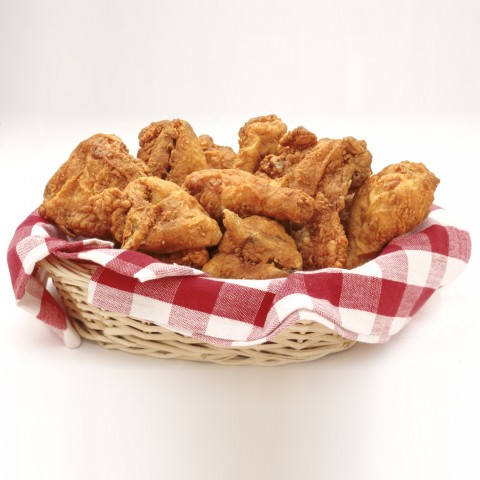
One of the most frequent traveler questions is: What do Japanese people eat for Christmas?
Common answers include:
- Fried chicken (often KFC)
- Christmas cake
- Roast chicken or rotisserie chicken from supermarkets
- Seasonal bakery items
- Small home-cooked dishes for children’s Christmas parties
Although imported Western dishes are served during the season, there is no universal Japanese dish for Christmas. Instead, the popular foods developed gradually alongside commercial influences.
Travelers looking for a Japanese twist on Christmas cuisine might also explore:
- Wagashi (traditional sweets with holiday designs)
- Festive bento sold in supermarkets
- Department store food halls with holiday specials
All of these reflect the creativity of Japanese food at Christmas.
4. Christmas Decorations in Japan
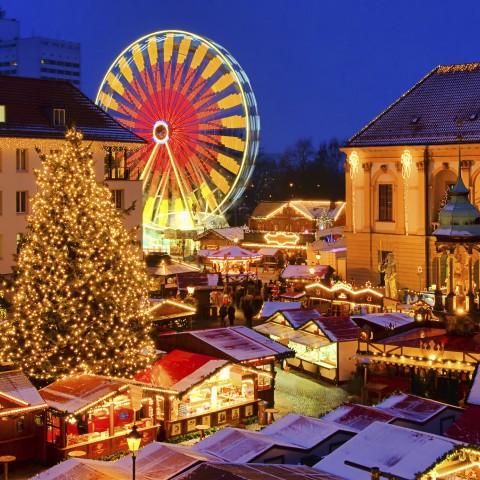
Unlike in the West, most Japanese Christmas decorations are displayed in commercial or urban areas rather than at home. Shopping malls, train stations, hotels, and parks create elaborate visual experiences designed to attract shoppers and tourists.
Popular elements include:
- towering Japanese Christmas trees
- themed illumination tunnels
- music synchronized light shows
- European-style Christmas markets
- Japanese Christmas ornaments and baubles
- Santa displays and character tie-ins
Decorations in homes tend to be simpler—often a small tree, a wreath, or Christmas cards from friends or coworkers.
Interestingly, decorations typically vanish almost immediately after December 25th. This quick transition marks the nationwide shift toward New Year’s, the most important holiday in Japan.
5. Christmas Music in Japan
Japan’s Christmas soundtrack is surprisingly diverse. In addition to American classics, you’ll hear:
- Japanese pop Christmas songs
- anime or idol group holiday singles
- instrumental or orchestral pieces
- seasonal children’s music
A famous example is “Koibito ga Santa Claus” (“My Lover Is Santa Claus”), an ’80s J-pop hit still loved today. Travelers may also encounter the Angel Wings Christmas song Japanese video trend online, which highlights how holiday music blends with Japanese internet culture.
Another unique phenomenon is the nationwide performance of Beethoven’s Ninth Symphony each December. Known as Daiku, it has become a tradition associated with both Christmas and year-end reflection.
6. Holiday Greetings and Wishes for the Holiday Season

A. Merry Christmas!
メリークリスマス!
Merīkurisumasu!
Do you know how to say ‘Merry Christmas’ in Japanese? Learn here how to pronounce it perfectly! ‘Merry’ means to be joyful, to celebrate and generally be in good spirits.
B. Have a happy New Year!
良いお年を。
Yoi o-toshi o.
In countries where Christmas is not officially celebrated, but a Gregorian calendar is observed, this would be a friendly festive-season wish over New Year.
C. Happy Hanukkah!
ハヌーカおめでとう!
Hanūka omedetō!
Hanukkah is a Jewish festival celebrated during November or December each year. It is also called the ‘Festival of Lights’ and is celebrated to commemorate the Jewish freedom of religion.
D. Have a great winter vacation!
良い冬休みを!
Ī fuyu yasumi o!
This is a good phrase to keep handy if someone doesn’t observe any religious festival over the Christmas holidays! However, this will only be applicable in the Northern hemisphere, where it is winter over Christmas.
E. See you next year!
また来年!
Mata rainen!
Going away on holiday over Christmas season, or saying goodbye to someone about to leave on vacation? This would be a good way to say goodbye to your friends and family.
F. Warm wishes!
ご多幸をお祈りしています。
Go-takō o oinori shite imasu.
An informal, friendly phrase to write in Japanese Christmas cards, especially for secular friends who prefer to observe Christmas celebrations without the religious symbolism. It conveys the warmth of friendship and friendly wishes associated with this time of year.
G. Happy holidays!
良い休暇を!
Ī kyūka o!
If you forget how to say ‘Merry Christmas!’ in Japanese, this is a safe, generic phrase to use instead.
H. Enjoy the holidays!
休暇を楽しんでね!
Kyūka o tanoshinde ne!
After saying ‘Merry Christmas’ in Japanese, this would be a good phrase with which to wish Christmas holiday-goers well! It is also good to use for secular friends who don’t celebrate Christmas but take a holiday at this time of the year.
I. Best wishes for the New Year!
新年が良い年でありますように。
Shin’nen ga yoi toshi de arimasu yō ni.
This is another way of wishing someone well in the New Year if they observe a Gregorian calendar. New Year’s day would then fall on January 1st.
7. Regional Highlights: Christmas in Tokyo and Kyoto
A. Christmas in Tokyo
Christmas in Tokyo is one of the best seasonal experiences in Asia. Travelers should explore:
- Shibuya Blue Cave illumination
- Roppongi’s Keyakizaka lights
- Christmas markets in Hibiya or Yokohama
- Disney Resort’s winter celebrations
- Tokyo Skytree’s seasonal projections
Each area creates an atmosphere perfect for couples, families, and photographers.
B. Christmas in Kyoto
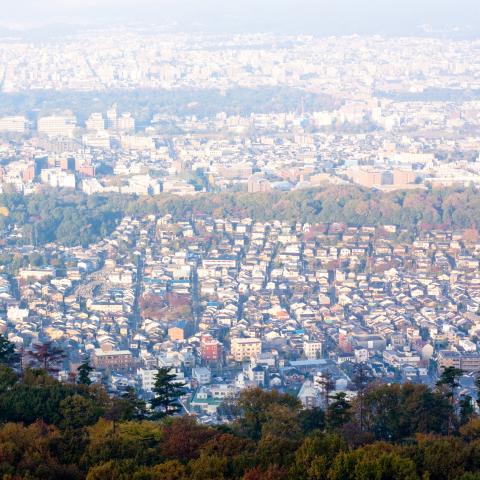
Christmas in Kyoto is quieter and more atmospheric. While Kyoto is better known for temples and historical streets, winter illuminations at places like offer a uniquely serene experience:
- Arashiyama
- Kiyomizu-dera
- Kyoto Station
8. Final Thoughts: Christmas in Japan Holiday Traditions
So, do Japanese people celebrate Christmas? Yes, but in a way very different from Western countries. Christmas in Japan is:
- romantic
- commercial
- bright
- cheerful
- and uniquely creative
It blends global influences with local preferences, producing a holiday season filled with glittering illuminations, special foods, and warm celebrations.
Whether you’re exploring Christmas traditions in Japan, enjoying a KFC Christmas dinner, or simply wishing someone merry Christmas from Japan, the holiday offers travelers an unforgettable cultural experience—one filled with joy, surprises, and a distinct Japanese flair.